Get Full Government Meeting Transcripts, Videos, & Alerts Forever!
Get email alerts on the Formula Retail Grocery topic
No spam. Unsubscribe anytime.
Planning Commission approves Whole Foods for City Center amid heated labor debate
Summary
After hours of public testimony both for and against, the Planning Commission approved a conditional use authorization allowing Whole Foods to occupy the former Best Buy space at City Center; the 6-1 vote followed extensive public comment from labor groups opposed to the company's labor record and neighborhood supporters citing jobs and grocery access.
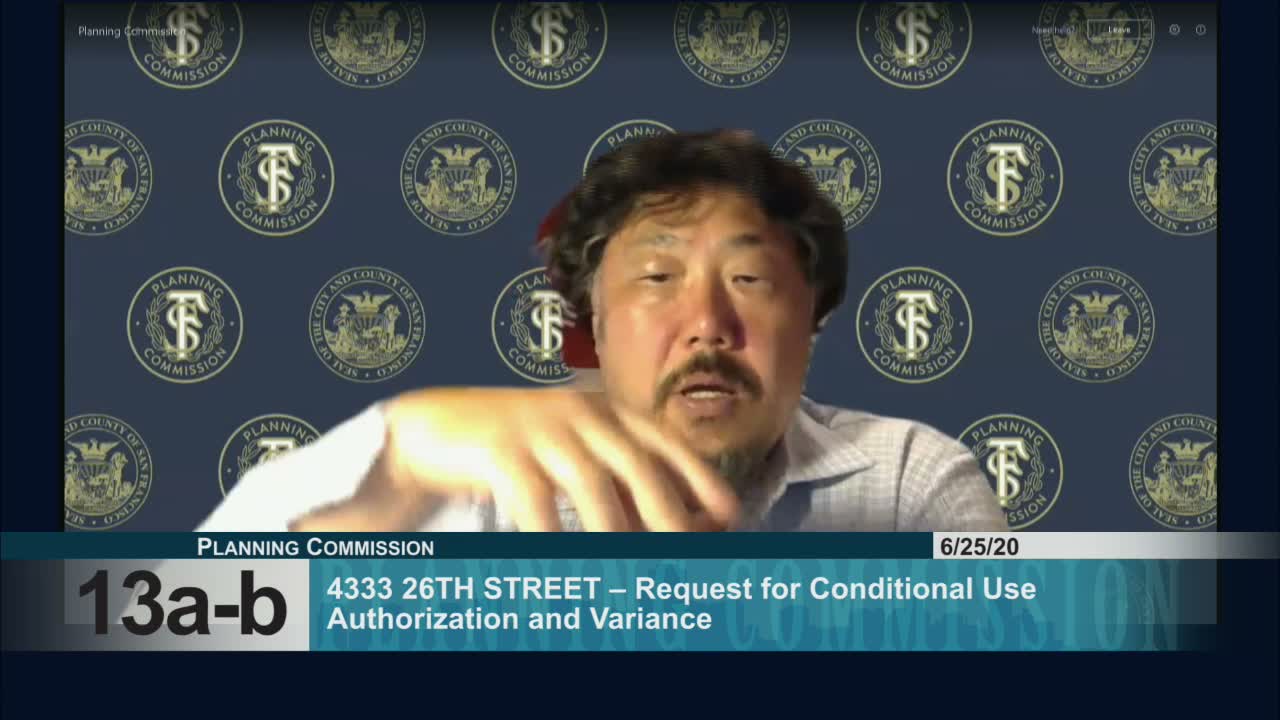
After extended public comment and deliberation, the Planning Commission on June 25 approved a conditional use authorization to allow a Whole Foods Market to occupy the large vacant retail space at City Center (Gary Boulevard). The motion passed 6 to 1, with Commission President Koppel voting no.
Mark Loper, representing Whole Foods, told the commission the company expects to create 152 store jobs (many to be San Francisco residents), use union construction labor on the buildout where possible, and partner with the Booker T. Washington Community Service Center to recruit 30% of store hires from the center. "Whole Foods will generate $9,600,000 in union construction trade labor," Loper said, and added that the company would prioritize local hiring and make community contributions.
Speakers from labor organizations, including UFCW Local 5, urged the commission to withhold approval until the company reached binding agreements on wages, benefits and pandemic-era protections. "Whole Foods has been anti-union and anti-democratic in workers' rights in other contexts," one caller said; UFCW emphasized concerns about Whole Foods and the company's parent, Amazon, and their track records on organizing and worker safety. Supporters — small-business owners, neighborhood residents and construction-trade representatives — said the center's large block needs a stable anchor tenant and that the project would bring jobs, services, and tax revenue to a long-vacant site.
Commissioners framed the vote as a land-use decision that also involved substantial community and labor concerns. Commissioner Johnson said the site's size and vacancy make it an appropriate land-use fit; she moved to approve the conditional use with conditions. Commissioner Moore seconded. The motion passed 6-1; President Koppel cast the lone dissenting vote.
Why it matters: The decision clears the way for a major grocery anchor in a large, long-vacant retail block and highlights the commission’s recurring tension: balancing neighborhood access and economic activation with labor and equity demands raised by unions and community groups.
What’s next: The approval is conditioned on standard planning conditions and any mitigation measures the commission required; further labor agreements would remain a bargaining and community negotiation outside the land-use approval process.