Get Full Government Meeting Transcripts, Videos, & Alerts Forever!
Get email alerts on the Neighborhood Retail topic
No spam. Unsubscribe anytime.
Castro change‑of‑use fight spotlights retail vacancy and neighborhood character debate
Summary
An application to convert a vacant Castro storefront to a limited‑restaurant (Flying Falafel) drew competing public testimony: one merchant urged preserving a scarce retail storefront while many neighbors and small‑business advocates urged easing permitting to fill empty storefronts; staff said the use is principally permitted and the commission did not sustain a motion to disapprove.
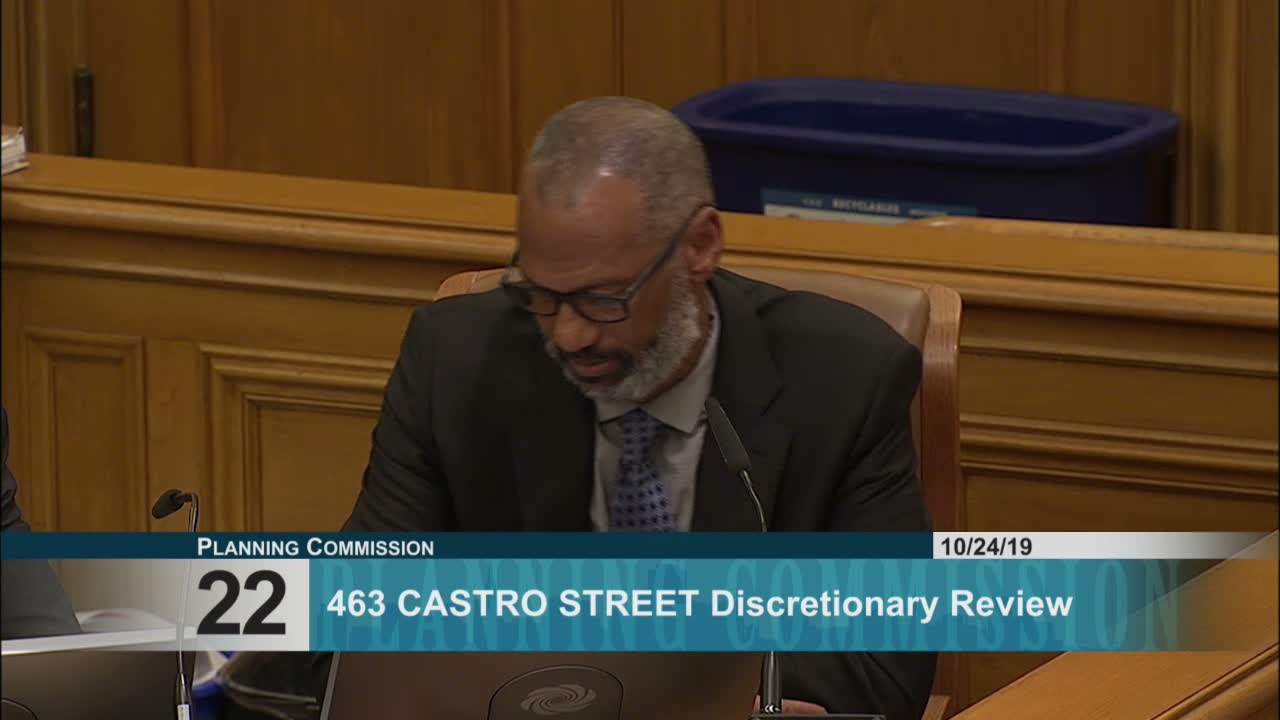
A proposed change of use at 463 Castro Street — converting a vacant retail storefront into a limited restaurant called Flying Falafel — set off a neighborhood duel over whether scarce retail frontage should be preserved or whether the city should make it easier for small businesses to occupy long‑vacant storefronts.
The request and opposing arguments
The applicant, Flying Falafel, sought a change from retail to a limited restaurant. Planning staff advised the commission the proposed use is principally permitted in the Castro neighborhood commercial district and that the space could be converted back to retail in the future. A neighboring operator filed a discretionary review arguing the site is a key retail location and that converting it would degrade the block’s retail character.
Public testimony split
Speakers in favor of preserving retail noted the Castro’s high concentration of eating‑and‑drinking establishments and worried that continued conversion of retail to takeout or small restaurants would leave the neighborhood with fewer ground‑floor retail options. Supporters of the Flying Falafel and several civic groups argued the opposite: Castro storefronts have high vacancy and the permitting process is lengthy, raising barriers for small businesses; they said allowing new food businesses can animate sidewalks, create jobs and reduce retail blight.
Commission response and procedural outcome
After extended testimony the commission considered a motion to take up the discretionary review and disapprove the change of use; the motion failed on a split vote. With no successful alternate motion to disapprove and with staff noting the use is principally permitted, the application moved forward without a prohibition. Commissioners discussed broader policy questions: neighborhood‑specific AMIs, retail vacancy trends and whether zoning tools or neighborhood planning should be updated to better match current market conditions.
Why it matters
The exchange highlighted a citywide tension: many commercial districts face high vacancy and operating costs, but preserving certain retail types is seen as essential to neighborhood character. This hearing underscored that the permit process itself — and how discretionary review is used — shapes which businesses can open and which storefronts remain empty.
Speakers quoted in this story testified at the Oct. 24 planning commission hearing.