Get Full Government Meeting Transcripts, Videos, & Alerts Forever!
Get email alerts on the Design Guidelines Retained Elements topic
No spam. Unsubscribe anytime.
Planning commission adopts retained‑elements design guidelines to guide façade and element retention
Summary
The commission adopted a discretionary set of 'retained elements' special topic design guidelines intended to help design review and decisionmaking when part of a building is kept and integrated into new development. The policy is voluntary but can be directed by commissions.
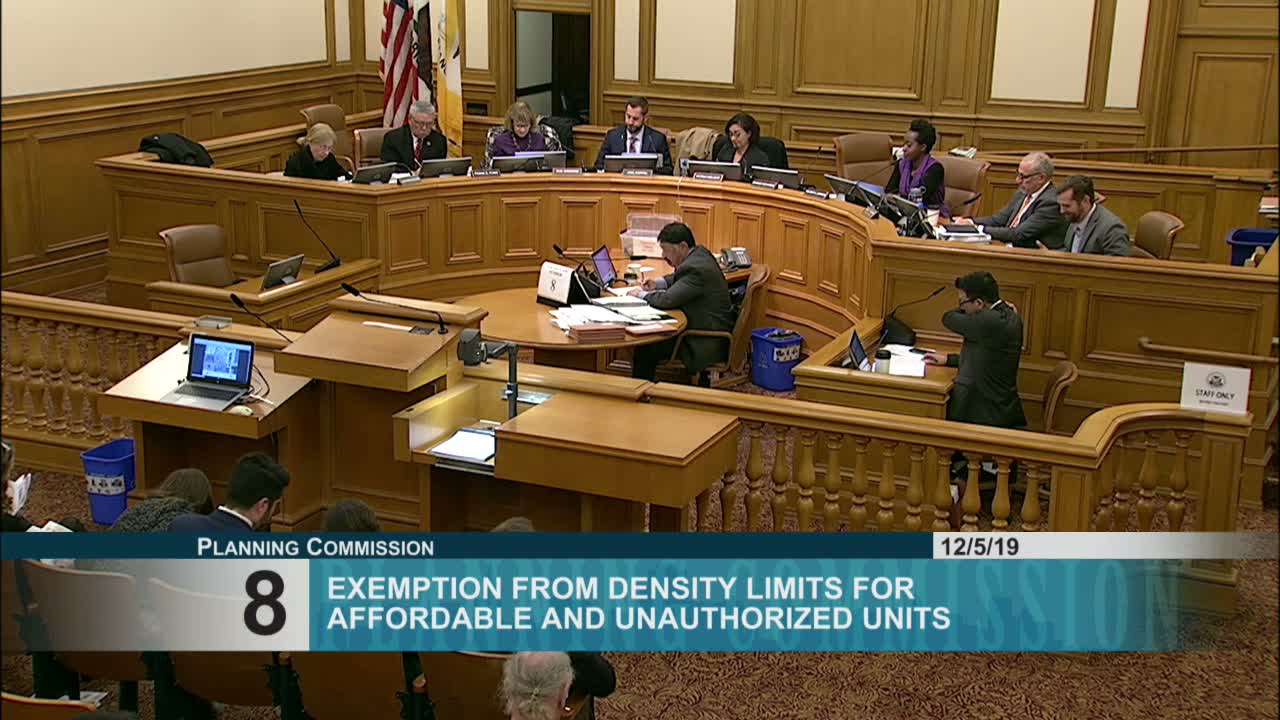
The Planning Commission voted unanimously Dec. 5 to adopt a new set of retained‑elements special topic design guidelines intended to guide when and how portions of existing buildings — facades, signage, murals and other elements — should be kept or integrated into new projects.
Planning staff said the guidelines are not equivalent to Secretary of Interior standards for historic preservation but are a design‑review tool to help planning and historic‑preservation commissions weigh the merits of façade retention versus full replacement. "This is a way of helping us understand and have a conversation about retained elements," Maya Small, planning staff, told the commission.
Historic Preservation Commission President Hyland and others urged adoption, noting the policy grew from joint commission discussions and years of evolving practice. The document lays out a seven‑part framework for evaluating visual contribution, feasibility of integration, materials and distinguishing new work from retained features. Hyland said the aim is to ensure retained elements are incorporated meaningfully and not treated as an afterthought.
Commissioners asked about applicability to A‑rated structures and compatibility with state laws on housing projects; staff said the guidelines are discretionary and intended to augment, not replace, existing CEQA or code processes. After discussion the commission adopted the guidelines; staff will continue work to refine visuals and examples over time.