Get Full Government Meeting Transcripts, Videos, & Alerts Forever!
Get email alerts on the Residential Expansion Threshold topic
No spam. Unsubscribe anytime.
Neighborhoods push back on Planning Department draft RET, warn it could “legalize demolitions”
Summary
More than a dozen speakers told the Planning Commission that the Residential Expansion Threshold (RET) proposal removes the city’s demolition definition and uses citywide FARs that would incentivize demolition, displacement and ‘McMansion‑style’ development; they asked the department to fix demolition rules and use contextual FARs by neighborhood.
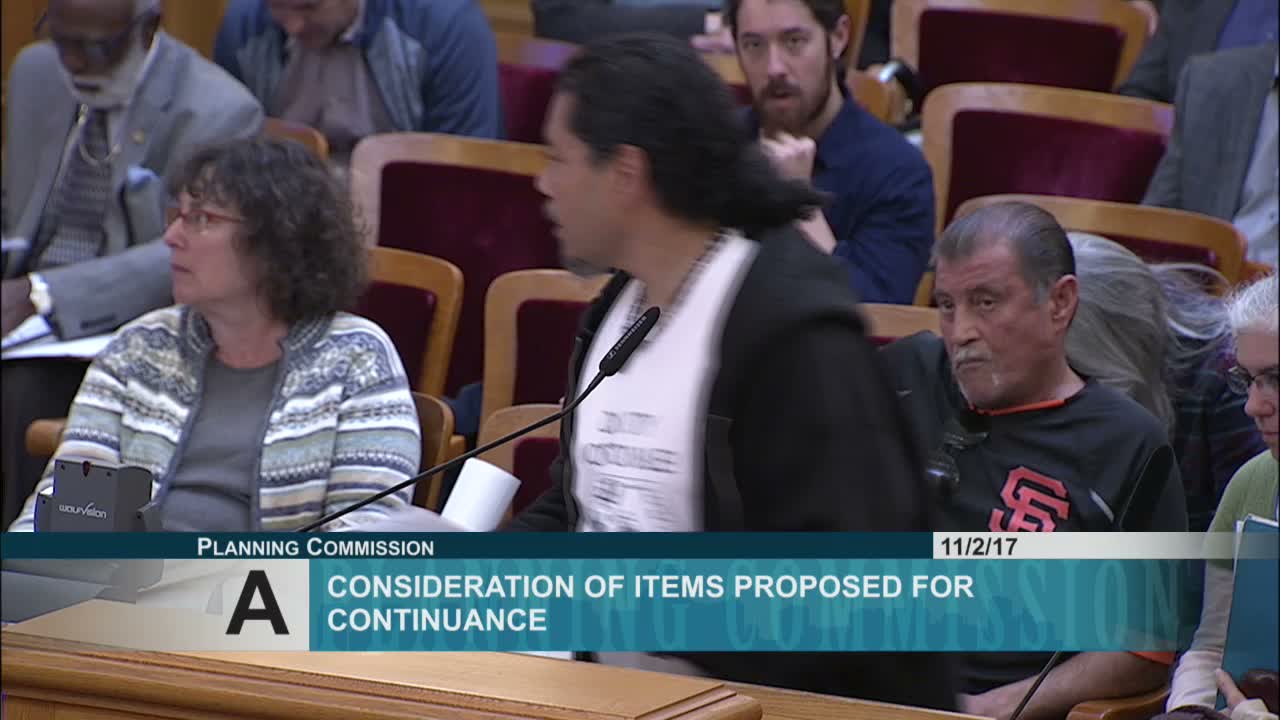
At the start of the Nov. 2 hearing dozens of residents and neighborhood activists urged the Planning Commission and staff to pause or withdraw the draft Residential Expansion Threshold (RET) proposal until the department revises the demolition definition and the proposed floor‑area‑ratio (FAR) triggers.
Speakers including George Wooding, Paul Webber and Jennifer Feber — representing neighborhood coalitions and tenant groups — argued that removing the Planning Department’s “tantamount to demolition” threshold from section 3.17 of the planning code would effectively allow projects to dismantle existing housing while avoiding demolition review. “In the absence of a threshold that defines how much of an existing structure can be removed before the job is tantamount to demolition, nothing will stop developers from tearing down buildings to the ground,” Jennifer Feber said during public comment.
Other speakers challenged the staff’s citywide FAR proposal as too large and ill‑suited to neighborhood context. Paul Webber and Ozzie Grama said a single FAR cap across RH zones ignores block‑ and neighborhood‑level differences and risks turning older, lower‑scale housing into substantially larger, luxury homes and forcing long‑time residents out. Several suggested alternate approaches: retain and simplify a demolition threshold that is enforceable; adopt neighborhood‑based FARs or context‑sensitive triggers; tighten enforcement/fines for unpermitted work; and require example case reports so commissioners and the public can test proposed FARs against existing building stock.
Planning staff did not take action on RET during this hearing; the comments were taken as public testimony and will be part of the department’s outreach record. Commissioners consistently asked staff for more evidence and neighborhood‑level analysis; multiple commenters and commissioners recommended a slower, more transparent process that includes clear enforcement measures and demonstration cases before any code change that affects demolition review.
Ending: The RET drew sustained neighborhood opposition on Nov. 2. The Commission and staff signaled a need for more neighborhood‑specific analysis and clearer demolition rules before any RET adoption.