Get Full Government Meeting Transcripts, Videos, & Alerts Forever!
Get email alerts on the Potrero Power Station topic
No spam. Unsubscribe anytime.
Sponsors present massive Potrero Power Station DEIR; preservation and transit impacts flagged
Summary
Developers told the San Francisco Planning Commission they plan a mixed‑use redevelopment of the former power plant that would add housing, retail, parks and infrastructure; staff and the draft EIR identify significant and unavoidable impacts to historic resources, transit capacity, air quality and noise.
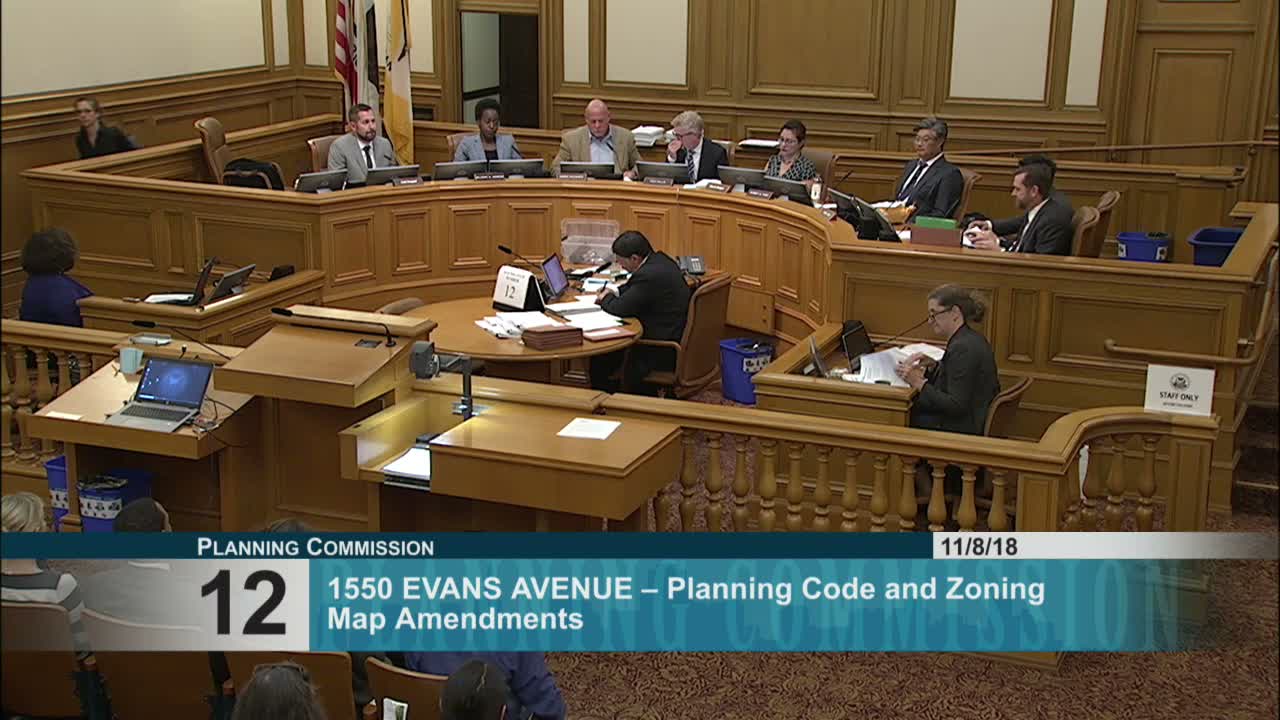
Developers and city staff on Nov. 8 presented the draft environmental impact report for the Potrero Power Station project, a proposed redevelopment of roughly 28–29 acres on the Central Bayside waterfront that would add housing, offices, parks, a hotel and community facilities. The project team described a plan that could include more than 5 million gross square feet of new development, a commitment to a grocery and major childcare space, and a community benefits package that sponsors said may include more than $150 million in infrastructure and $50 million for transit improvements.
The planning department’s environmental review identified a range of impacts. Certain historic architectural resources on the site — including Station A, the meter house and the compressor house — could be lost under the project as proposed and the DEIR concludes their removal would be a significant and unavoidable impact without full preservation. The draft also identifies project‑level and cumulative effects on transit capacity and operations on nearby Muni routes, elevated construction and operational noise at sensitive receptors, increased regional air pollutant emissions during overlapping construction periods, and potential wind issues for interim phases. The DEIR analyzes seven alternatives, including full and partial preservation scenarios, and summarizes the Historic Preservation Commission’s recommendation to prefer a full‑preservation alternative that would avoid significant impacts to historic resources.
Speakers from neighborhood groups, preservation advocates and local business associations gave lengthy testimony. Preservation organizations urged stronger efforts to retain the brick industrial buildings that local advocates say tell the site’s industrial history; others said the DEIR’s timing and level of detail make it difficult to evaluate preservation options. Several residents and neighborhood groups said they welcomed waterfront access, parks and housing, but called for stronger mitigation of construction impacts, clearer plans for public benefits, and closer review of cumulative effects given other nearby proposals.
City staff and the project sponsor said the public comment period is open through the published deadline and that the department will prepare a written response to comments before certifying a final EIR. The sponsor and the Board of Supervisors’ representatives noted that the development agreement and community benefits package will be negotiated after the EIR comment period and must balance feasibility with public returns. The commission did not take an approval vote on the project at the hearing; public comment will be considered in the final EIR and in subsequent entitlement hearings.