Get Full Government Meeting Transcripts, Videos, & Alerts Forever!
Get email alerts on the 1 Oak Deir topic
No spam. Unsubscribe anytime.
Neighbors challenge 1 Oak Street draft EIR over parking, affordable housing and bike safety
Summary
Community groups told the Planning Commission the 1 Oak Street draft EIR should study a zero‑parking alternative, include guaranteed on‑site below‑market‑rate units, and analyze wind impacts on cyclists; staff noted one significant impact for cumulative construction traffic and set a written comment deadline.
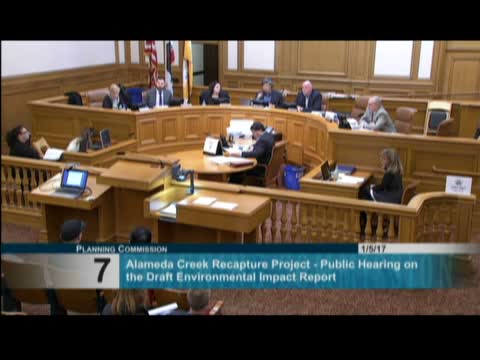
The Planning Commission on Jan. 5 opened public comment on the draft environmental impact report for the 1 Oak Street project, a proposed 40‑story residential tower at Market Street and Van Ness, and heard repeated calls to analyze a zero‑parking alternative and greater protections for below‑market‑rate (BMR) housing.
Planning staff (Michael Jacinto) told commissioners the draft EIR, published Nov. 16, 2016, studies traffic and circulation, wind, shadow, cumulative impacts and finds one significant construction‑period traffic impact. The department set a public review period that closes Jan. 10, 2017, and said comments will be transcribed and addressed in a responses to comments document.
Speakers representing Hayes Valley Neighborhood Association and Livable City urged the commission to require the EIR to study a “0 parking” alternative rather than the project sponsor’s request for 0.5 spaces per unit, arguing more parking will generate automobile trips and undermine transit and pedestrian improvements planned for the Hub. Tom Radulovich of Livable City said, “The 0 parking alternative will do two things: it will reduce the number of automobile trips and it reduces the number of conflicts created by automobile circulation,” and urged staff to analyze that scenario.
Several speakers also pressed the EIR to ensure on‑site BMR housing rather than relying on off‑site parcels or in‑lieu fees. Gail Baugh, president of the Hayes Valley Neighborhood Association, noted past projects that promised on‑site BMR units but paid in‑lieu fees instead, leaving no affordable housing built in the immediate area.
Cyclist safety and wind impacts featured prominently. Multiple commenters and the Hayes Valley Neighborhood Association said the draft EIR does not adequately analyze how building‑scale wind effects could affect bicyclists at a busy Market and Van Ness intersection, where increasing bike mode share is a policy priority.
Commissioners agreed those topics warrant careful review. Staff reiterated that comments are due to the Environmental Review Officer by Jan. 10 and that responses will be prepared in writing; the commission will return to consider certification and entitlements after responses are completed.
Ending: The draft EIR is under public review through Jan. 10, 2017; staff will compile responses and return to the commission for certification and entitlement actions as appropriate.