Get Full Government Meeting Transcripts, Videos, & Alerts Forever!
Get email alerts on the Medical Cannabis topic
No spam. Unsubscribe anytime.
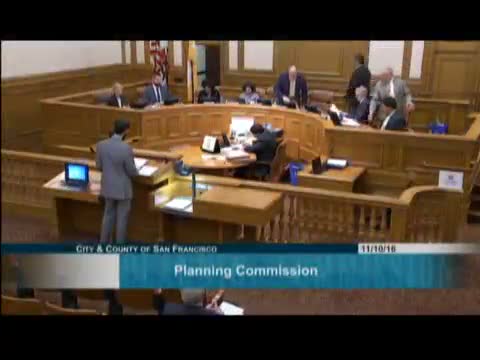
Planning Commission approves Shambhala dispensary expansion amid wider Prop 64 questions
Summary
The Commission approved a conditional‑use authorization allowing Shambhala Healing Center to expand into adjacent retail space at 2441 Mission St. Supporters, including longtime neighborhood organizations and patients, said the expansion improves privacy and clinical service; opponents argued limits on expanding nonconforming uses. The vote was unanimous, 7‑0.
The commission considered a request by Shambhala Healing Center to expand its existing medical cannabis dispensary at 2441 Mission Street into adjacent vacant retail space at 2445 Mission. Planning staff recommended approval with conditions, noting the expansion would activate a vacant storefront and increase patient access.
Philip Lesser, speaking for the project, said Shambhala has been part of the Mission since 2010 and cited neighborhood ties and the absence of police calls since opening. "This project's completely different than the last one you heard," Lesser said, referencing recent regulatory changes; he and owner Al Shawa said more space is needed to provide private counseling and to serve a growing patient base.
Opponents, including attorney David Blackwell, argued the expansion ran afoul of rules limiting the growth of legally nonconforming uses and that the required CUA findings could not be met. Blackwell told the commission that "nonconforming uses cannot be expanded," citing the city’s 1,000‑foot buffer policy for certain uses and urging strict application of code.
A large number of community members — arts organizers, patients, veterans and neighborhood business owners — testified in support, saying Shambhala operates responsibly, provides jobs and public benefits and has helped reduce illegal activity on the block. Chrissy Kiefer of Mission Dance Theater and local patients described the center’s positive neighborhood role.
After discussion and questions about how Proposition 64 (statewide recreational legalization) might affect future uses, staff clarified that any change converting medical to nonmedical sales would be subject to the rules in force at the time and would return to the commission if regulations required it. The commission approved the expansion with conditions by a unanimous vote of 7‑0.
Why it matters: The approval illustrates the Commission balancing neighborhood safety, longstanding community ties and evolving state policy on cannabis. Commissioners emphasized that future conversions to recreational sales will be governed by subsequent rules and might require additional approvals.
Next steps: The CUA is approved as a medical cannabis dispensary expansion; any future change to nonmedical retail would be subject to applicable regulations and further Planning Commission review if required.