Get Full Government Meeting Transcripts, Videos, & Alerts Forever!
Get email alerts on the Academy Of Art Eir topic
No spam. Unsubscribe anytime.
Planning Commission certifies final EIR for Academy of Art University; public and commissioners press AAU on student housing conversions
Summary
The San Francisco Planning Commission unanimously certified the Academy of Art University final EIR on July 28 after a lengthy public comment period. Residents, housing advocates and elected‑officeholders pressed the university to return converted rent‑controlled units and build more student housing; staff and AAU clashed over housing‑demand and transit mitigation conclusions.
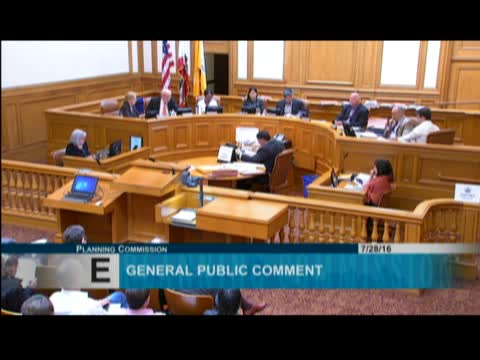
The Planning Commission on July 28 certified the final environmental impact report (EIR) for the Academy of Art University project, moving the long‑running review forward while leaving significant policy questions for later hearings. Planning staff recommended certification; after public testimony and debate the commission voted to adopt the staff motion as modified.
The decision clears the way for subsequent, project‑level entitlements but does not itself approve any building permits or planning‑code changes requested by AAU. Chelsea Fordham of the Planning Department told commissioners: "Staff recommends that the Commission adopt the motion before you that certifies the contents of the report are adequate and accurate, and that procedures to which the final EIR were prepared comply with the provisions of CEQA." (transcript remarks)
Public commenters and neighborhood groups used the hearing to renew long‑standing complaints about AAU’s use of residential buildings for student housing. Multiple speakers urged the commission to require AAU to return units they say were illegally converted and to build a concentrated campus rather than expanding a scattered portfolio of student housing. Brad Paul, a longtime land‑use speaker, told the commission AAU has used delays strategically: “With your certification of the EIR we can begin the discussion of the final resolution,” he said, and urged steps to require new student housing and to cap enrollment (public comment).
AAU’s attorney Zane Gresham and other representatives argued the EIR’s analytic conclusions are sound while disputing some policy inferences. Gresham told the commission the EIR and supplemental technical memoranda show the project sponsor is already providing many beds and that the department’s conclusion that student housing represents "lost" residential stock was an analytic disagreement, not an error. Staff and the project sponsor also debated the appropriate transportation mitigation mechanism for corridor impacts.
What happens next: the commission voted to initiate staff’s planning‑code amendments and to schedule separate hearings on the department’s recommended ordinance and AAU’s broader legislative proposal. That initiation vote passed 5–1; commissioners said they intend to study individual properties and impacts in detail at the September hearings instead of resolving the broader question today.
Why it matters: the EIR certification is a procedural milestone that permits the city and AAU to move to specific entitlements and negotiation on mitigation and enforcement. But it does not settle the central policy dispute—whether and how AAU should be required to replace or return housing removed from the long‑term rental market or limit future enrollment expansion—issues that housing advocates say are critical in a tight San Francisco market.
The commission scheduled follow‑up hearings on the planning‑code amendments and the Academy’s full package in September; no construction permits were approved at the July 28 meeting.