Get Full Government Meeting Transcripts, Videos, & Alerts Forever!
Get email alerts on the Land Use Development topic
No spam. Unsubscribe anytime.
Potrero Hill Project at 540 De Haro Continued After Church, PDR and Shadow Concerns
Summary
The commission continued a proposed 17‑unit, 41,772 sq ft residential project at 540 De Haro to March 3 after neighbors, St. Gregory—s church and cultural groups raised concerns about loss of PDR, shadowing of church windows, inadequate outreach and displacement of a motorcycle repair shop.
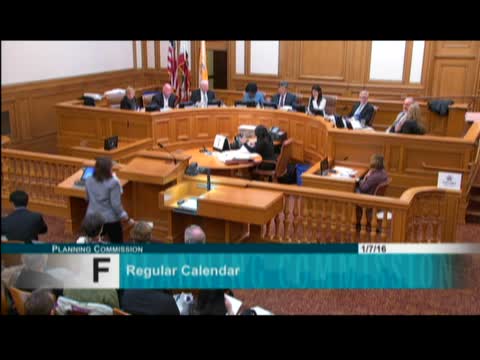
The Planning Commission continued consideration of a large‑project authorization for 540 De Haro Street after extended public comment from neighbors and community groups about potential impacts on production, distribution and repair (PDR) space, church light and neighborhood outreach.
Kimberly Duranday of Planning Department staff outlined the proposal as a 40‑foot‑tall residential building with 17 dwelling units, associated landscaping and requested minor modifications to rear‑yard and bay window dimensions. She also noted multiple letters received from neighborhood stakeholders — support and opposition — and late reports from a neighbor church requesting reshaping to preserve clerestory light.
Project counsel Steve Vettel and the design team described revisions submitted to remove elevator and stair penthouses and to reduce rooftop bulk. But speakers from cultural and neighborhood groups said cumulative PDR loss in the Mission and Potrero Hill is substantial and urged the commission to deny or continue the project until PDR replacement options and data on displacement are available. St. Gregory—s representatives described how proposed rear massing could block sunlight to clerestory windows that illuminate daily services and a long‑running food pantry; several said they had very limited outreach opportunities and received package materials only days before the hearing.
Commissioners pressed the sponsor for more study and for further design steps that could reduce shadow impacts or incorporate maker/PDR space. Commissioner Richards asked that the sponsor explore on‑site or nearby PDR replacement and that the project sponsor work directly with the church on shadowing and landscaping so the public food‑bank gathering space is preserved.
A motion to continue the item to March 3, 2016 carried 6–1 (Commissioner Johnson opposed). The continuation gives the sponsor time to respond on shadow studies, outreach and possible design sculpting to reduce impacts.
What—s next: The project will return to the commission on March 3 for further review; staff and the sponsor are expected to provide additional shadow analyses and a record of community engagement and to report on any PDR replacement options.