Get Full Government Meeting Transcripts, Videos, & Alerts Forever!
Get email alerts on the Short Term Rentals topic
No spam. Unsubscribe anytime.
Planning Commission backs overhaul of short-term rental rules, splits on platform duties
Summary
After hours of testimony from supervisors, housing groups, hosts and platform representatives, the Planning Commission recommended removing the hosted/unhosted distinction and setting a 120-day cap while splitting on whether online platforms must block unregistered listings.
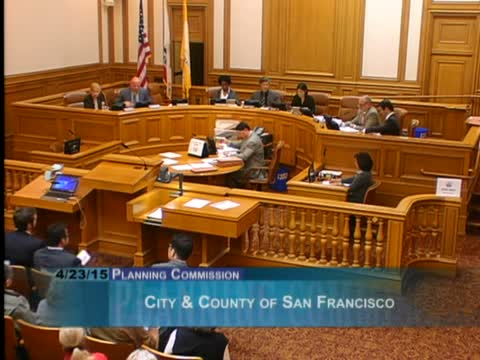
The San Francisco Planning Commission on April 23 recommended a set of changes to the city's short-term rental rules after an eight-hour public hearing that brought dozens of speakers to the podium and produced sharp division among commissioners.
Commissioners voted to recommend removing the legal distinction between "hosted" and "unhosted" short-term rentals and to endorse a 120-day cap on how many nights a unit may be used for short-term stays per year. The body also advanced recommendations expanding the Planning Department's enforcement options but split over proposals that would require internet platforms to withhold listings that lacked a city registration number.
Why it matters: City officials and tenant advocates say short-term rental platforms have removed thousands of long-term rental units from San Francisco's already-tight market, worsening displacement risk in neighborhoods such as the Mission, North Beach and the Castro. Hosts and many homeowners counter that home sharing provides critical income to retirees, small-business owners and middle-income households who otherwise could not stay in the city.
Supervisor Jane Kim, who introduced one of the ordinances before the commission, framed the issue as enforcement capacity. "I have said from the beginning...that as it stands, this legislation is not enforceable unless we add usable and effective enforcement tools," she told the commission, urging narrower tools targeted at bad actors rather than a blanket ban.
Supervisor Mark Farrell and Mayor Ed Lee proposed a competing package that would create a new city office to administer short-term rental registration and enforcement and would set a 120-day hard cap. "We have proposed a 120 day hard cap on the number of days a year that hosts can use a short term rental," Farrell said, arguing a single cap across listing types would be easier to enforce.
Planning Department analyst Alex Markassy, who presented empirical work the department used in drafting options, told commissioners his modeling indicated that a cap in the range of roughly 120'180 days would not broadly incentivize conversion of long-term rentals to full-time tourist hotels. "A cap of about a hundred and 20 to a hundred and 80 days will result in incentivizing almost no conversions," he said, while warning that the estimate carries caveats and depends on local price patterns.
Airbnb's representative urged caution against imposing duties on platforms. "Every month, Airbnb collects and remits more than a million dollars in hotel taxes for the city of San Francisco," David Owen said, and he warned that forcing platforms to police listings would push some listings onto smaller services that do not cooperate with enforcement.
Public comment spanned the spectrum: tenants'rights and housing advocates urged a 60-day cap, mandatory platform reporting and expanded enforcement including a private right of action for community groups; seniors, small-business owners and many registered hosts urged the commission not to curtail hosted home-sharing and warned that low caps would strip income that allows them to remain in the city.
Key commission recommendations and votes - Remove the legal distinction between hosted and unhosted rentals (recommendation forwarded 5'2). The commission's staff said verifying that distinction in the field is difficult and that a single enforceable cap would be clearer for enforcement. - Prevent units that were subject to Ellis Act evictions from registering for short-term rental for a limited period (recommended 6'1). - Confirm that the city may bring civil enforcement against platforms or property owners without waiting for a full administrative proceeding (unanimous). - Permit an expedited private right of action for qualified nonprofit housing groups in limited circumstances (recommended 6'1). Commissioners debated broader private-right-of-action proposals and a majority supported giving nonprofits a narrow tool to pursue bad actors. - Require Planning to notify owners, permanent residents in a building, homeowners associations and neighborhood groups who request notice when a registry application is filed (recommended unanimously). - Set a 120-day maximum for short-term rental nights per year (recommended 4'3), a contentious outcome that split the commission along enforcement and equity lines.
What the votes mean: The Planning Commission's line-by-line recommendations will be sent to the Board of Supervisors for consideration, amendment and final action. Several proposals received divided support at the commission and are likely to see extended negotiation at the Board.
What to watch next: The Board of Supervisors will consider competing ordinances from Supervisors Kim, David Campos and the mayoral team; housing advocates said they may press for a lower cap and mandatory platform data sharing, while platforms and many hosts warned that overly broad data mandates or platform liability could push listings to venues that evade local regulation. The Board's calendar and any final vote will determine whether the city moves to the regulatory package favored by staff, the mayor, or the stricter Campos approach.
Ending: The commission closed the meeting after recording a set of recommendations and continuing a handful of unrelated land-use items to later hearings. The Board of Supervisors will receive the Planning Commission's recommendations and take them up in the coming weeks.