Get Full Government Meeting Transcripts, Videos, & Alerts Forever!
Get email alerts on the Medical Cannabis Dispensaries topic
No spam. Unsubscribe anytime.
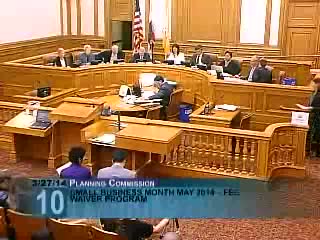
Planning Commission forwards medical cannabis report to supervisors with tweaks on buffer and clustering
Summary
After public testimony from patients, veterans and neighborhood groups, the Planning Commission voted 6–1 to adopt staff recommendations on medical cannabis dispensaries, endorsing some green‑zone expansion ideas while requiring further study of zoning changes and adding safeguards against clustering.
The San Francisco Planning Commission on March 27 adopted the Planning Department’s report on medical cannabis dispensary location rules and forwarded it to the Board of Supervisors with multiple modifications.
Planner Aaron Starr presented the report, reciting relevant legal context from state and federal law and summarizing staff findings and eight recommendations. The recommendations included keeping the Director-level approval process (the "Doctor" process) but adding specific findings, exploring ways to expand the so-called green zone (including reducing the 1,000‑foot buffer from schools to as little as 600 feet, allowing second-floor locations, or expanding eligible zoning districts), requiring pre-application community meetings, improving transparency and security practices, and monitoring double‑parking and diversion.
The hearing drew lengthy public comment. The San Francisco Unified School District’s representative urged keeping the 1,000‑foot buffer around schools, citing student safety. At the same time, veterans, patients and advocates pressed for better citywide access to dispensaries and asked the commission to expand the green zone and allow second-floor locations to serve underserved neighborhoods, including the Tenderloin and Bayview. Several speakers recounted closures of long‑standing dispensaries and urged protections for compassionate-care programs for low‑income patients.
Supervisor John Avalos’ office signaled support for many staff ideas and emphasized prioritizing operators that provide measurable community benefits and compassionate care. Community groups and some neighborhood merchant associations urged stronger clustering controls: requiring conditional-use review where new dispensaries would be within a set distance of existing MCDs.
After debate, commissioners agreed to forward the report with modifications: add findings to Director approvals that address whether a neighborhood is already served by MCDs, allow and encourage second‑floor dispensaries in neighborhood commercial districts, and conduct further study before expanding MCDs into certain production/industrial zoning districts. The commission also endorsed the option of reducing school buffers in some cases while retaining a pathway for conditional use permitting to address clustering if the green zone expands. The motion passed 6–1, with Commissioner Antonini opposing the final package.
The commission asked staff to provide additional maps showing only the effect of reducing buffers (without changing underlying zoning) and to coordinate with the Health Commission and school district as the Board of Supervisors considers potential legislative changes.