Get Full Government Meeting Transcripts, Videos, & Alerts Forever!
Get email alerts on the Formula Retail topic
No spam. Unsubscribe anytime.
Planning Department presents draft formula-retail study, will drill into neighborhood case studies
Summary
Planning Department staff released four draft issue briefs showing formula retail accounts for about 12% of city retail establishments but a larger share of retail square footage; commissioners asked for more neighborhood-level analysis before policy recommendations.
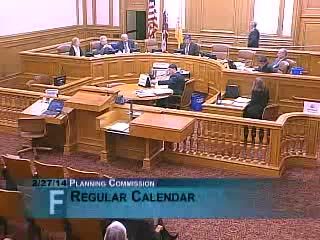
Planning Department staff on Thursday presented draft findings from a citywide study of formula retail and controls, telling the Planning Commission that formula retail accounts for roughly 12% of retail establishments in San Francisco while occupying a much larger share of retail square footage.
Kanishka Burns, project manager for the study, said the underlying data were gathered by Strategic Economics and built from Dun & Bradstreet records purchased by the city. "The data I'm going to describe was gathered by Strategic Economics and is from Dun and Bradstreet data purchased by the city," Burns told commissioners as she walked through four issue briefs produced for the project.
The department highlighted several findings: formula retail represents a minority of retail locations by count but takes proportionally larger spaces (the presentation estimated roughly 11,200,000 square feet of formula retail in the city); formula retail is less concentrated in districts that already have controls; and firm-size and store-type patterns vary across neighborhoods. The presentation also warned that the planning code's current store-size thresholds (50,000 square feet in most districts, 90,000 in C3) apply to only a tiny fraction of existing formula retailers.
Speakers from business and neighborhood groups urged a careful, neighborhood-focused next step. Didi Workman of the San Francisco Chamber of Commerce commended the department's data release as "the kind of data that we've all been looking for," and said the chamber will participate in the planned stakeholder meetings. Other public commentators and commissioners said the value of the citywide data lies in the follow-up neighborhood case studies, which the department plans to deliver in the next phase.
The briefing identified four planned case-study districts (including a Mission Street trade corridor and others chosen for data availability) and previewed policy options under consideration: tightening the numeric definition of formula retail (for example, counting sites worldwide or subsidiaries) and expanding which land-use types are subject to controls (the presentation estimated tens of thousands of businesses would fall into some proposed additional land-use categories, with only a small share likely to meet firm-size thresholds that would trigger controls).
Commissioners asked for more clarity about wage comparisons used in the briefs, the effects of including downtown shopping districts in citywide comparisons, and whether the proposed definition changes would unduly restrict locally headquartered firms. Staff said the study is still in draft form, will accept public comment, and will return with neighborhood-level reports and, later, policy recommendations that could be presented to the Commission in late April and to the Board of Supervisors thereafter.
Next steps: the department will continue stakeholder outreach, release the neighborhood case studies for comment, and refine the issue briefs before offering any policy recommendations to the Planning Commission.