Get Full Government Meeting Transcripts, Videos, & Alerts Forever!
Get email alerts on the Housing Policy topic
No spam. Unsubscribe anytime.
Planning Department outlines procedural fixes, tracking and new ombudsman role in response to mayor's housing directive
Summary
Planning Department staff summarized a multi-part response to the mayor's housing directive including priority processing for deeply affordable projects, a proposed housing ombudsman, a policy shift to legalize rather than remove some illegal units, mandatory review for unit eliminations and concurrent interagency reviews to speed approvals.
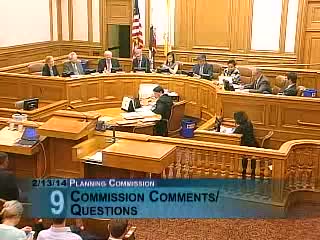
The San Francisco Planning Department on Thursday told the Planning Commission it has prepared short-, medium- and long-term recommendations in response to the mayor's housing directive, and staff outlined several near-term procedural changes intended to speed construction of affordable housing.
Planning Department staff said projects that are entirely affordable or that include at least 20% on-site affordable units (or 30% off-site) will be placed ahead in the processing queue, a change staff estimates could save three to six months in review time depending on the project and its current stage. The department also proposed creating a full-time "ombudsman" position (or two positions split between processing and policy) to shepherd housing projects through multiple agency reviews.
Staff described a change in practice for unlawful or "illegal" units: rather than defaulting to removal, planners will take "reasonable steps" to work with property owners and project sponsors to legalize units where feasible and safe, and only bring unit elimination proposals to the commission if legalization is impractical because of cost or life-safety concerns. The department said it will coordinate with the Building Inspection Department (DBI) on those cases.
Under a separate recommendation, the department would require mandatory discretionary review by the Planning Commission for proposals that would eliminate housing units when a building contains more than two units. Staff also said it is developing improved tracking for the city's housing goals (the memo referenced the 30,000-unit goal with 10,000 affordable units) and plans to expand concurrent review among approving agencies to reduce sequential delays.
Commissioners asked for a fuller discussion and more details; staff said a task-force meeting would convene Feb. 25 and an item could be calendared for the commission as early as the following week. Staff emphasized the proposals are largely procedural and some items (such as the ombudsman) will require budget approval.