Get Full Government Meeting Transcripts, Videos, & Alerts Forever!
Get email alerts on the Rules And Regulations topic
No spam. Unsubscribe anytime.
Planners debate rules overhaul as public urges earlier notice and clearer submittal requirements
Summary
The San Francisco Planning Commission began detailed consideration of proposed amendments to its rules and regulations, focusing on public notice, submittal deadlines and handling of “voluminous” cases; members agreed to continue work and tentatively recalendar for further action after staff revisions and public input.
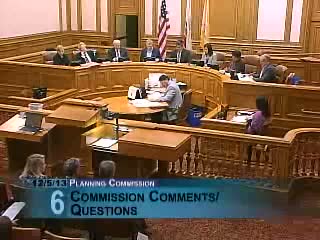
The San Francisco Planning Commission on Dec. 5 opened a line-by-line review of proposed amendments to its rules and regulations, prompting sharp public criticism about notice timelines and access to hearing materials.
Commission staff described changes aimed at modernizing hearings and campus operations, including adding an annual hearing schedule, clarifying that posted electronic notice may satisfy the Sunshine Ordinance’s 72‑hour requirement, and tightening submittal procedures so that correspondence intended to be considered in a hearing be received by the commission secretary by the close of business the day before the hearing to ensure it appears in the packet.
Commissioners debated several practical changes. Staff recommended reducing public oral presentation time for project sponsors from 15 to 10 minutes unless more time is requested in writing in advance; it also proposed formalizing a team‑presentation option so sponsor teams (attorney, architect, engineer) present together in a single block rather than repeat points during public comment. Commissioners emphasized flexibility for complex cases and asked staff to craft explanatory footnotes about how electronic and written notices will be used.
Public commenters pressed the commission for firmer commitments on advance access to information. Sue Hester said, “We have never had a hearing at all,” describing repeated promises that a separate hearing on “complicated cases” has not occurred. Members of the Coalition for San Francisco Neighborhoods and other neighborhood representatives urged a two‑week advance release of substantive documents or at minimum clearer, accessible interim postings for large or complex projects. Linda Chapman said the 15‑hard‑copy requirement and late electronic posting left many community groups unable to meaningfully participate.
Commissioners and staff responded that most formal staff reports and case packets have historically been finalized the week prior to hearings and that pre‑application and neighborhood meetings usually precede the formal report. President Fong and others acknowledged the public’s frustration and asked staff to assemble the comments into a revised draft. Staff recommended recalendarizing the item for potential consideration on Dec. 19, subject to required notice, or to January if more time is needed.
What’s next: Staff will revise the rules text to incorporate clarifications about written and electronic notice, submittal timing, and criteria/process for identifying cases that require extra advance materials; they will circulate those revisions to commissioners and the public and return for further consideration and a future informational presentation.