Get Full Government Meeting Transcripts, Videos, & Alerts Forever!
Get email alerts on the Ceqa Reform topic
No spam. Unsubscribe anytime.
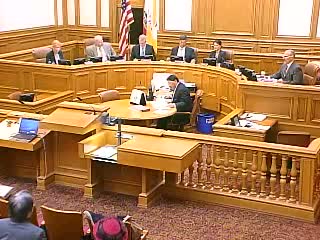
Planning Commission forwards Supervisor Kim’s CEQA notice-and-appeals package with staff study requests
Summary
After hours of testimony and debate, the Planning Commission voted to forward Supervisor Kim’s proposed changes to CEQA notification and appeals procedures to the Board of Supervisors, asking staff to analyze notification feasibility, project approvals during appeals, searchable posting, and priority processing for affordable housing.
The San Francisco Planning Commission on April 25 recommended that the Board of Supervisors consider Supervisor Christina Kim’s ordinance to change local CEQA (California Environmental Quality Act) procedures, while asking planning staff to study several technical and implementation issues before adoption.
Supervisor Kim told commissioners the proposal is aimed at making environmental review more transparent and accessible: “CEQA may be the single most important law Californians have in preserving the environment,” she said during her presentation, stressing changes to notice, appeal deadlines, and Historic Preservation Commission (HPC) review of potentially historic resources. Her office told the commission the package was developed with input from community groups including the Sierra Club, SEIU and neighborhood organizations.
Why it matters: The ordinance would expand what kinds of CEQA determinations are posted to the city, create a geographically referenced, subscription-capable notice system, require certain HPC reviews, and set clearer deadlines for filing appeals of exemptions and negative declarations. Proponents say the changes will let ordinary San Franciscans learn about and respond to projects earlier; opponents and staff warned of additional workload and implementation complexity for a department already stretched thin.
What commissioners and staff said: Planning Department staff supported some elements—better online posting, clarifying appeal windows and linking notices to approvals—but urged caution about automated subscription categories and extra administrative burdens. Staff flagged that most categorical exemptions are processed daily and that a workable, automatable tagging system must be identified before mandating broad notification obligations.
Public testimony was extensive. Environmental and neighborhood groups backed Kim’s approach as a step toward more equitable participation; housing and affordable-housing advocates urged safeguards so the process would not unduly delay critical projects. Several speakers recounted past projects where limited notice or unclear records made meaningful participation difficult.
Action taken: Commissioners voted to forward Supervisor Kim’s ordinance to the Board of Supervisors with staff-recommended modifications and four explicit follow-up items for staff analysis: (1) feasibility and timelines for the subscription/geographic notification system, (2) whether and how project approvals may proceed while an environmental appeal is pending, (3) improved searchable posting of CEQA determinations, and (4) options to prioritize timely determinations for 100% affordable housing projects. The commission’s recommendation passed following deliberations and recorded votes.
Next steps: The item will be considered by the Board of Supervisors’ Land Use committee, where staff analysis requested by the commission is expected to inform negotiations between Supervisor Kim’s language and parallel proposals from Supervisor Weiner.