Get Full Government Meeting Transcripts, Videos, & Alerts Forever!
Get email alerts on the Western Soma Plan topic
No spam. Unsubscribe anytime.
Planning Commission adopts Western SoMa plan after months of debate over historic rules and Eleventh Street zoning
Summary
The Planning Commission certified the final EIR and adopted the Western SoMa Community Plan and implementing ordinances, approving a package of modifications including a historic‑resources flexibility threshold, limited grandfathering for an Eleventh Street housing project and recognition of an overlapping Central Corridor study.
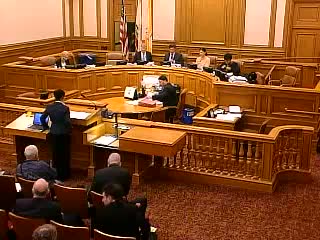
The San Francisco Planning Commission voted unanimously on Dec. 6 to adopt the Western SoMa Community Plan, certifying the final environmental impact report after a day of public testimony and several contentious amendments.
The commission approved a set of changes recommended by staff and community members that narrow who can claim historic‑resource land‑use flexibility. The adopted approach (staff Option 4) grants flexibility to locally designated Article 10 landmarks, Article 11 category 1–4 buildings and properties that are individually eligible or already listed on the state or national registers. Commission vice president Wu and others said the approach balances preservation with development goals. "Building a Complete Neighborhood," task force president Jim Meeko told the commission, "is what we have before you today," urging adoption.
Commissioners also debated the future of the Eleventh Street entertainment corridor. After discussion about land‑use conflict between nighttime entertainment and new housing, the commission voted to rezone the corridor to allow existing and new nighttime entertainment uses (WMUO) while prohibiting new residential there. The commission narrowly approved a grandfathering exemption for one project at 340 Eleventh Street so that an active, in‑process housing proposal can proceed; the vote on that narrow grandfathering was 4–3.
The meeting also addressed how the plan should acknowledge an overlapping Central Corridor study east of Sixth Street. The commission adopted a policy amendment recognizing the ongoing Central Corridor planning effort and directing continued evaluation of land‑use controls in that overlap area so future regional transit planning can be considered.
Other actions included the department’s acceptance of several minor errata to the final EIR and agreement to a set of technical amendments to the zoning map. The commission directed staff to consider a limited legitimization process for certain longstanding design‑professional office uses that predate recent zoning, and it transmitted the Historic Preservation Commission’s recommendations to the Board of Supervisors for consideration.
Next steps: the Board of Supervisors will receive the adopted general‑plan and planning‑code amendments for an up‑or‑down vote; several code and map changes will be finalized as the item moves through the Supervisors’ process.