Get Full Government Meeting Transcripts, Videos, & Alerts Forever!
Get email alerts on the Urban Forestry topic
No spam. Unsubscribe anytime.
Board of Appeals allows homeowner to remove street tree at 371 Silver Ave., citing close spacing
Summary
The San Francisco Board of Appeals voted 4-0 Jan. 18 to issue a permit allowing removal of one privately maintained street tree at 371 Silver Ave., concluding the pair of trees are planted too closely together and noting that city responsibility for street trees will transfer to Public Works July 1 under Proposition E.
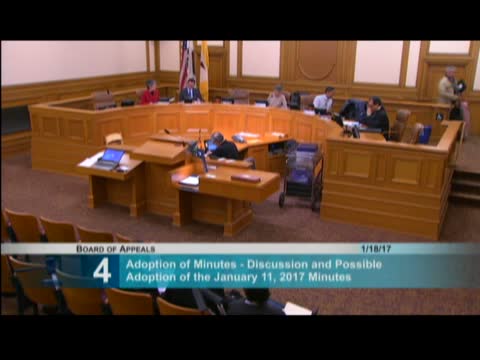
The San Francisco Board of Appeals voted Jan. 18 to issue a permit allowing the owner at 371 Silver Ave. to remove a privately maintained street tree, concluding the two adjacent trees were planted too close together to be sustainable long term.
The decision followed testimony from Chris Buck, urban forester for the San Francisco Public Works Bureau of Urban Forestry, who told the board that Proposition E — a November charter amendment that the department said received nearly 80 percent support — will shift maintenance responsibility for street trees to Public Works effective July 1. Buck recommended upholding the department’s previous denial of an owner‑requested removal but acknowledged the pair of trees were planted about 12 feet on center (the department’s preferred spacing is about 20 feet), and said the long‑term plan for that site may be to keep a single tree.
Appellant testimony stressed short‑term safety concerns. The homeowner said storms had caused branches to fall and that she could not afford private pruning, raising the risk of damage to vehicles or people. Buck replied that the subject tree’s structure and vigor were currently sound, that sidewalk‑repair funding is not available until Prop E takes effect, and that sewer‑line claims for root damage are generally denied unless there is clear evidence the roots are physically forcing a breach.
On the floor, commissioners considered two main options: continue the case until after July 1 so the city assumes maintenance and liability, or allow removal now with conditions that the permit holder pay for removal, stump removal and paving over the basin. The board approved a motion to issue the permit allowing the property owner to remove tree number 2 on the basis that the trees were planted too close together; the motion passed 4 to 0.
City staff told the panel that, if the removal permit were issued, the owner would obtain the permit, complete the removal and stump work, and pave the basin. Buck said the department would prioritize sidewalk repairs at that location in the first half of the new fiscal year after July 1, but that sewer‑damage liability will generally remain with property owners absent evidence of a distinct pipe failure aggravated by roots.
The board’s action reverses the department’s earlier denial from May 9, 2016 and grants the landowner the right to proceed with removal under the issued permit.