Get Full Government Meeting Transcripts, Videos, & Alerts Forever!
Get email alerts on the Western Soma Plan topic
No spam. Unsubscribe anytime.
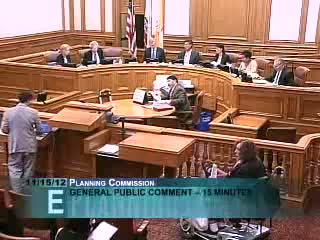
Planning Commission hears detailed Western SoMa plan; nightlife buffers and Eleventh Street options draw debate
Summary
Staff presented the Western SoMa community plan, which proposes new mixed‑use districts, split‑height rules for large lots, neighborhood commercial corridors and 200‑foot buffers for residential enclaves; residents, entertainment businesses and commissioners debated alternatives for Eleventh Street.
The Planning Commission devoted a major portion of its Nov. 15 hearing to an informational presentation on the Western SoMa Community Plan and its implementing planning‑code amendments. Staff described new districts, height and density approaches, and a set of controls aimed at balancing housing, jobs and entertainment uses.
Key elements presented included new neighborhood and office districts north and south of Harrison Street; split‑height rules for large sites (base height plus conditional use to exceed a maximum); minimum and maximum floor‑area and parking approaches tied to the Eastern Neighborhoods framework; new neighborhood commercial transit districts; and a 200‑foot buffer around residential enclave (RED) areas intended to limit new nighttime entertainment uses near those enclaves.
A central controversy centered on the Eleventh Street corridor, where staff offered multiple alternatives: keep the corridor as proposed (WMUG) so existing nightlife remains legal nonconforming; rezone to a PDR‑like Sally district (options 2a/2b/2c) to permit nightlife and prohibit new housing on the corridor; or rezone to WMUO (office) to permit office and nightlife but not new housing (options 3a/3b/3c). Task force chair Jim Meeko and entertainment representatives defended the plan’s approach and said the proposal protects existing venues while requiring soundproofing for new nearby development. Entertainment businesses and some commissioners urged options that preserve or strengthen nightlife as an economic asset; housing advocates and neighborhood groups warned about displacement and urged caution on upzoning that could reduce family housing.
Staff also presented implementation and impact‑fee estimates: an estimated $42 million in impact‑fee revenue through 2030 compared with $92 million in priority project costs; projected net gain of roughly 2,209 housing units under the proposed zoning by 2030 and job growth of about 1,000 positions versus current zoning projections.
Why it matters: Western SoMa is a large planning area with competing demands for housing, jobs, arts/entertainment and open space. The plan would change zoning across large tracts of SoMa and has potential to affect where housing and nightlife locate and how conflicts among uses are managed.
What’s next: The plan is scheduled for adoption hearing on Dec. 6; staff and commissioners signaled further work on Eleventh Street alternatives and clarifications on implementation, notice and nexus analysis for fees.
Recorded action: informational presentation; commissioners asked clarifying questions and signaled preferences for options that balance entertainment preservation with housing and office uses.