Get Full Government Meeting Transcripts, Videos, & Alerts Forever!
Get email alerts on the Neighborhood Regulation topic
No spam. Unsubscribe anytime.
Planning Commission restores Union Street liquor controls, requires conditional use for limited restaurants
Summary
The Planning Commission approved amendments to reinstate local liquor‑license limits in the Union Street Neighborhood Commercial District and require conditional use authorization for ‘limited restaurants,’ after staff said earlier restaurant‑definition changes had unintentionally removed neighborhood controls. The ordinance passed 6–1.
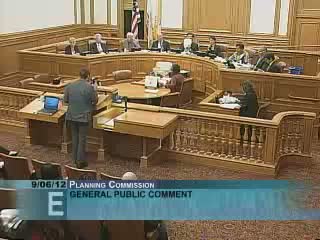
The San Francisco Planning Commission on a 6–1 vote approved an ordinance to reinstate local alcohol‑control provisions in the Union Street Neighborhood Commercial District and require conditional‑use review for “limited restaurants.” Planning staff said the earlier restaurant‑definition consolidated in February altered how the code treated restaurants with full liquor licenses, unintentionally allowing more establishments to qualify for full licenses unless the local controls were restored. Catherine Stephanie, representing Supervisor Mark Farrell’s office, told the commission neighborhood merchants and the Golden Gate Valley Neighborhood Association supported reinstating the controls.
Planning Department staff explained the change would prohibit new license types 47 and 49 (permanent full liquor and seasonal full liquor permits) in the Union Street district and require conditional use authorization for limited restaurants, which by definition cannot permit on‑site alcoholic consumption. Staff recommended minor wording changes to avoid contradictory language that would have barred limited restaurants from having full licenses even though limited restaurants are not allowed full liquor licenses by definition.
Commissioners questioned the practical effects, including whether transfers of existing licenses would be affected and how the California Department of Alcoholic Beverage Control rules interact with local caps. Staff clarified that transfers from restaurants already in the district would remain possible but that the ordinance intends to cap new full‑liquor establishments in the neighborhood to preserve existing neighborhood balance. Commissioner Seguaya opposed the measure on procedural grounds; the motion passed with Commissioner Seguaya voting no.