Get Full Government Meeting Transcripts, Videos, & Alerts Forever!
Get email alerts on the Student Housing topic
No spam. Unsubscribe anytime.
Planning Commission continues student-housing conversion debate to June 21 amid SRO, school and landlord objections
Summary
After hours of testimony from SRO owners, housing advocates, and educational institutions, the Planning Commission agreed to continue consideration of proposed student-housing zoning amendments to June 21 so staff and supervisors can refine language on conversions, vacancies and protections for existing tenants.
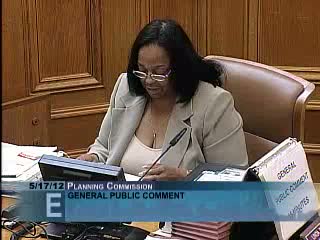
The Planning Commission on May 10 heard several hours of public testimony and briefing on proposed zoning amendments aimed at encouraging new student housing while preventing the conversion of existing housing into student-only units.
Planning staff and supervisors presented competing proposals. Supervisor Wiener defended amendments that would largely ban conversions but create three narrow exceptions — institution-owned housing, religious facilities, and lots owned adjacent to a campus for at least 10 years — to allow limited conversions tied to educational uses. Representatives of Supervisor Kim proposed a different route: permit conditional-use conversions for residential buildings that have been vacant or underutilized (20% or less occupied for two years) to help revive blighted properties in some neighborhoods.
The planning department recommended approval with modifications, principally to protect vulnerable housing types. Staff proposed allowing SRO (single-room-occupancy) conversions only by conditional use and requiring replacement of any lost units, while increasing incentives for purpose-built student housing and strengthening monitoring and deed restrictions.
Public testimony was sharply divided. SRO owners and the Independent Hotel Owners and Operators Association argued the draft restrictions would infringe property rights and harm small owners who rely on flexible leasing, including leasing rooms to students or schools. Representatives of small, non‑profit schools and language programs warned that restricting master leases or block bookings could make it impossible for some schools to house incoming students and would reduce economic activity.
Housing advocates, tenant groups and SRO preservation organizations — including the Tenderloin Housing Clinic and the Coalition on Homelessness — urged stricter controls. They said converting SROs and other affordable units to student-only housing would reduce supply for low-income residents, undermine rent‑controlled units, and risk intentional vacancy by owners seeking higher student rents. Advocates pressed for strong replacement requirements, better vacancy verification and limits on conversions tied to evictions.
After extended commissioner discussion about data gaps on vacancies and the risk of creating perverse incentives, Commissioner Miguel moved and the panel voted to continue the public hearing and action to June 21, keeping the record open so supervisors and staff can draft narrower language and additional safeguards. The continuance passed on a roll call vote.
Next steps: staff said they will work with the supervisors’ offices, the mayor’s office of housing, and stakeholder groups to clarify definitions (vacant/underutilized), craft enforceable monitoring and replacement rules, and consider whether some conversions should require conditional-use authorization rather than a right.