Get Full Government Meeting Transcripts, Videos, & Alerts Forever!
Get email alerts on the Parks Recreation topic
No spam. Unsubscribe anytime.
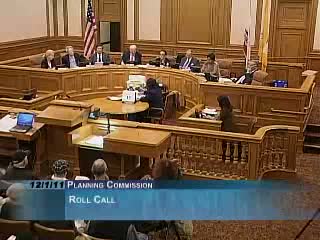
Hundreds speak at Planning Commission public hearing on Beach Chalet draft EIR; safety, ecology and lighting dominate testimony
Summary
The Planning Commission held a long public hearing on the Beach Chalet Athletic Fields draft EIR. Staff said the DEIR finds a significant and unavoidable impact on historic resources but that many other impacts can be mitigated; more than 100 speakers divided over artificial turf and stadium lighting, with sustained concerns about toxicity, bird and habitat impacts, visual light pollution and field access.
Planning Department staff opened the public hearing on the draft EIR for the Beach Chalet Athletic Fields renovation by summarizing the document’s key findings: the DEIR identifies a significant and unavoidable impact on historic resources, finds that biological and hazardous‑materials impacts can be mitigated to less‑than‑significant levels, and reports that land use, visual/aesthetic, transportation, recreation, hydrology and air‑quality effects are less‑than‑significant under the proposed mitigations.
Don Lewis, the department’s EIR coordinator, told the commission the public review period runs through Dec. 12 and that verbal and written comments will be addressed in the responses document prepared for the final EIR. Sarah Jones clarified state CEQA comment‑period rules and advised the standard 45‑day period was judged appropriate for this circulation.
The meeting drew well over a hundred speakers. Testimony fell into recurring themes:
- Toxicity and material composition: multiple speakers, including parents, scientists and physicians, urged fuller analysis of crumb‑rubber infill and long‑term leachate risks. Several commenters cited peer‑reviewed studies and asked for independent, health‑focused review. One student speaker presented microscopy footage she said demonstrates mortality in aquatic life from turf runoff and urged commissioners to oppose the turf alternative.
- Lighting and night impacts: speakers raised concerns about 60‑foot flood poles, reflected up‑light from bright surfaces, fog amplification of glare, and impacts on migratory birds and nocturnal wildlife. Several bird‑survey volunteers and Golden Gate Audubon representatives said the DEIR underestimates biological impacts and lacks adequate mitigation for light effects on raptors and migratory species.
- Historic and scenic character: preservationists, historians and members of Golden Gate Park advocacy groups argued the west end of the park was designed as sylvan/pastoral landscape; they urged consideration of a hybrid alternative that retains natural turf in the park while shifting high‑use, lit turf to an off‑site location such as West Sunset Playground.
- Access and equity for children: youth coaches, program directors and parents described canceled seasons, overcrowded city youth leagues, and the practical benefits of turf and lighting to increase usable hours and reduce weather cancellations; several nonprofit operators said the proposed renovation would substantially increase playing time for underserved youth.
Commissioners heard technical notes on hydrology, cumulative impacts (including a nearby proposed recycled‑water treatment facility) and potential traffic/parking effects during peak weekend use. The public hearing closed after several hours; staff will include comments received through Dec. 12 in the responses document for the final EIR. The Planning Commission does not make the final project determination; certification of the EIR and project approval would be separate actions (likely involving the Recreation and Park Commission and other agencies).