Get Full Government Meeting Transcripts, Videos, & Alerts Forever!
Get email alerts on the Historic Preservation topic
No spam. Unsubscribe anytime.
Commission delays vote as heated debate continues over revisions to historic‑preservation code
Summary
The Planning Commission held a lengthy informational hearing on proposed changes to Planning Code Articles 10 and 11, including owner balloting, economic‑hardship exemptions and whether to make Secretary of the Interior standards mandatory. Staff and the Historic Preservation Commission will continue work before a Feb. 2 hearing.
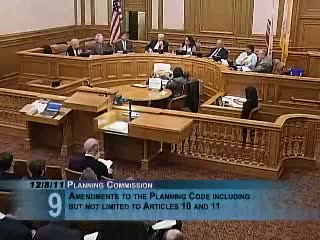
The San Francisco Planning Commission on Dec. 6 heard several hours of testimony and debate over proposed revisions to Planning Code Articles 10 and 11 that would change how the city designates and regulates landmarks and local historic districts.
Supervisor Wiener asked the commission to consider a package of amendments that would, among other things, reintroduce owner balloting as an advisory step before initiating a district (a 66% owner threshold), require broader outreach to property owners, create an economic‑hardship pathway for projects in historic districts and allow local interpretations of the Secretary of the Interior Standards. Sophie Hayward, planning department staff, and Historic Preservation Commission (HPC) representatives briefed the commission on where staff and the HPC agree and where Supervisor Wiener’s new language differs from the HPC’s vetted draft.
Supporters of the HPC’s version — including preservation groups, neighborhood organizations and several architects — urged the commission to forward the HPC’s previously negotiated amendments without Wiener's changes. They warned that reinstating a high owner‑consent threshold or making national standards optional could make district formation impractically difficult and could undermine protections for historic resources. "The creation of local standards is an invitation to create loopholes for special interests," said Lucia Bogatae, architect and Mission Dolores neighborhood representative, urging the Planning Commission to adopt the HPC’s text as drafted by preservation professionals and community stakeholders.
Supervisor Wiener defended his proposals as calibrated reforms. He told the commission he had negotiated most items with planning staff and HPC members and said the changes aim to expand community buy‑in, give relief to homeowners facing economic hardship and align the code with San Francisco’s planning goals. Wiener said his office would continue to work with staff and the State Historic Preservation Officer and that he did not want to jeopardize the city’s Certified Local Government status.
Commissioners and staff focused on several narrow, technical but consequential points: whether owner balloting should be advisory or determinative; how to measure participation (Wiener’s amendment sets a participation goal of 50% of property owners); whether local guidelines that interpret the Secretary of the Interior Standards would weaken CEQA protections; and the length of “stop‑work” periods when a designation is pending. Planning staff advised that the department prefers language that would require projects to comply with the Secretary of the Interior Standards for landmarks and significant contributors while allowing targeted local guidance to interpret compatibility issues.
Public comment was extensive. Preservation advocates said the HPC’s line‑by‑line process had produced a balanced package that reflected two years of hearings and negotiation; several neighborhood groups and smaller property‑owner advocates supported economic‑hardship provisions and more flexible, locally calibrated guidance. Planning staff and the HPC told commissioners that some of Wiener’s amendments arrived late in the process and require more time for technical review and stakeholder outreach.
After hearing the public and discussing numerous technical edits, commissioners agreed not to take action at the informational hearing and continued the package so staff and the HPC can reconcile open points and provide revised language. The commission set a continuation for Feb. 2 so members can review the Historic Preservation Commission’s formal recommendations and any refined draft language before making a recommendation to the Board of Supervisors.