Get Full Government Meeting Transcripts, Videos, & Alerts Forever!
Get email alerts on the Eir Certification topic
No spam. Unsubscribe anytime.
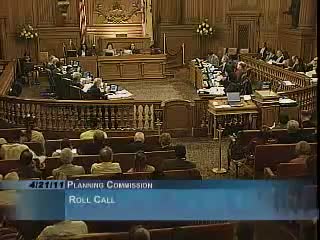
Planning Commission certifies Treasure Island final EIR after hours of public comment, 4–3
Summary
After more than three hours of public testimony, the San Francisco Planning Commission voted 4–3 to certify the final environmental impact report (EIR) for the Treasure Island/Yerba Buena Island redevelopment; the Treasure Island Development Authority board approved the EIR unanimously.
The San Francisco Planning Commission certified the final environmental impact report for the Treasure Island/Yerba Buena Island project on a 4–3 vote after an extensive public-comment period that featured labor, nonprofit and neighborhood supporters as well as environmental and safety critics.
The decision came after dozens of commenters addressed the commission during a public‑comment block limited to two minutes per speaker. Supporters — including nonprofit providers that operate on the islands and trade‑union representatives — urged commissioners to approve the EIR so infrastructure, jobs and housing could move forward. Gail Gilman of the Community Housing Partnership told the commission the project would create “over 400 units of housing for formerly homeless families” and help integrate supportive services. Union speakers, including members of Carpenters Local 22, said the project would provide much‑needed construction jobs.
Opponents pressed for further review. Sue Vaughn of the Sierra Club said the project had changed markedly since earlier drafts and “the EIR should be recirculated,” citing reduced affordable‑housing commitments and added parking. Multiple speakers raised safety and hazard concerns: members of the San Francisco Green Party and other residents urged more analysis of tsunami exposure and sea‑level rise, while one commenter urged a comprehensive radiological survey before certification.
Planning Department staff recommended certification, arguing that changes since the draft EIR (including adjustments to the governing and financing approach) did not introduce significant new environmental information requiring recirculation. Rick Cooper, planning department environmental staff, summarized the project scope — up to 8,000 residences, new transit facilities and approximately 300 acres of open space — and said technical revisions and errata did not alter the EIR’s conclusions.
Commissioner Michael Antonini, who moved to certify the EIR, said the document is “accurate, adequate and consistent” and highlighted planned geotechnical and sea‑level protections. Commissioner Sugaya and others dissented in part because the project’s financing had shifted from a redevelopment model to infrastructure financing districts (IFDs), which they said raised questions about the feasibility of some public benefits and whether changes require further environmental review.
Votes were recorded at the meeting. On the Planning Commission motion to certify the EIR, Commissioners Antonini, Borden, Phan and Miguel voted yes; Commissioners Moore, Sugaya and Olague voted no. The Treasure Island Development Authority board then adopted a separate resolution certifying the EIR by unanimous roll call.
What happens next: certification clears the way for the commissions to consider the project’s entitlement package and related approvals. Opponents signaled legal and administrative challenges to the certification, while proponents urged prompt action so infrastructure and jobs could proceed.