Get Full Government Meeting Transcripts, Videos, & Alerts Forever!
Get email alerts on the Planning Rules topic
No spam. Unsubscribe anytime.
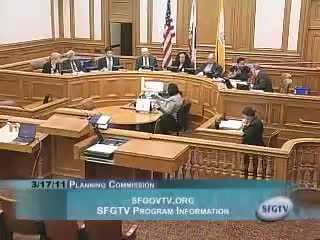
San Francisco Planning Commission directs staff to draft tighter rules on public comment, submittals and moves regular start time to noon
Summary
The Planning Commission on March 17 instructed staff to draft amendments to its rules to: shorten organized-opposition public-comment blocks to 10 minutes with a minimum of three speakers, require environmental and historic-resource materials on submittals, tighten late-filed packet practices, and change the commission—19s regular start time to 12:00 noon; the commission voted to adopt draft minutes for prior meetings.
The San Francisco Planning Commission on Thursday directed staff to draft changes to the commission—19s rules and regulations aimed at tightening public-comment procedures, standardizing project submittals and shortening late-night meetings.
The commission reached consensus to change its regular meeting start time from 1:30 p.m. to 12:00 noon, a scheduling change staff said will take effect after required public notices (the department noted a 20-day notice period and said the first practical implementation would be mid‑April). Commissioners said the earlier start is intended to reduce late-night deliberations that they said can reduce the quality of decision-making and make it harder for working members of the public to participate.
The move to revise public-comment procedures was the central policy outcome of a wide-ranging discussion about how the commission handles organized presentations and last-minute materials. Commissioners agreed they would ask staff to prepare a draft amendment that: reduces opposition "block" presentations to 10 minutes (down from the 15 minutes listed in existing rules), requires a minimum of three speakers for such a block, and narrows where blocks may be used (commissioners discussed limiting them to opposition or certain informational items). The commission also asked staff to remove several subsections that had allowed alternative five-minute allowances for organizations and to eliminate the existing f and g subsections that provided a formal rebuttal period under some cases.
Commissioners said they want clearer, more enforceable standards for submittals. Several members urged setting firm advance deadlines (examples discussed included 10 days or two weeks before a hearing for substantive materials) and publishing a consistent checklist of required items so staff, the commission and the public receive complete packets in time to prepare. "If we don't have x submittals, your project will be moved," one commissioner proposed as a possible enforcement approach; another emphasized that staff ought to be empowered to return inadequate packets.
Deputy City Attorney Susan Cleveland Knowles cautioned that certain legal provisions affect how the commission handles environmental addenda. She told the commission that Administrative Code section 31.19 sets procedures for distribution of addenda to environmental documents but does not prescribe a specific advance mailing deadline; she said the commission still has discretion to continue or hear an item after weighing whether materials were reasonably available in the public file or online.
Public speakers and several commissioners urged stronger notice practices for large, complex or controversial projects. "There needs to be discipline for packets out two weeks in advance for big cases with full plans," one commenter said, arguing that late packets prevent meaningful public review. Others urged outreach and training for neighborhood groups so residents can better understand hearing types and prepare effective testimony.
On a formal vote the commission adopted draft minutes from its February 3 and February 10 regular meetings and the February 10 special meeting after a motion by Commissioner McGill; a roll-call tally recorded each commissioner voting "Aye," and the minutes were adopted.
Next steps: staff will draft the commission—19s proposed rule amendments and return them for the commission—19s consideration and formal action at a later hearing (the secretary said the draft will not likely be ready before the April 14 meeting). The department also will adjust notices, materials guidance and calendaring processes to reflect the commission—19s directions.
The commission recessed and will reconvene its advertised 1:30 p.m. calendar to take up items proposed for continuance so members of the public who wish to speak can do so.