Get Full Government Meeting Transcripts, Videos, & Alerts Forever!
Get email alerts on the Park Merced topic
No spam. Unsubscribe anytime.
Planning staff outlines Park Merced redevelopment plan, tenant protections and multi‑tier transit strategy
Summary
Planning staff and agencies detailed the Park Merced draft development agreement: guaranteed one‑for‑one replacement of rent‑controlled units, a tenant relocation sequencing and notice plan, and a multi‑tier transportation program with possible Muni realignments, shuttles and intersection upgrades tied to construction triggers.
Planning department staff and city agencies presented a detailed overview of the Park Merced redevelopment proposal and the draft development agreement at the Planning Commission’s Dec. 16 hearing. The package, as explained by Planning’s Joshua Switzky and the mayor’s office of housing, ties housing replacement, affordable housing commitments and a transportation phasing program to construction triggers in an agreement intended to run for decades.
The commission heard that every existing unit that is demolished would be replaced and that no demolition may occur until a corresponding replacement building has been completed and received its certificate of occupancy. Michael Yarny of the mayor’s office said the project defines an “existing tenant” as someone who has received initial notice and remains in place when a replacement building receives its certificate of occupancy; those tenants would be eligible for relocation assistance and first choice of replacement units based on seniority. Yarny described the tenant notice sequence: an initial notice when a replacement building is under construction, an availability notice 6–12 months before occupancy, a first acceptance opportunity where tenants rank preferred replacement units, and final relocation notices tied to occupancy dates.
Yarny said rents for relocating tenants would generally remain the same as the tenant’s existing rent under rent‑control rules and that no project‑related pass‑throughs to tenants (for the developer’s project costs) will be allowed. He also said tenants who choose to remain in their original units may do so until the demolition permit for that building is issued; such tenants would continue to be protected by rent control and would receive relocation assistance under the city’s ordinance if later required to relocate.
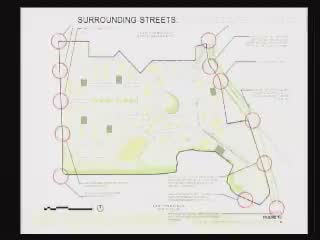
On transportation, SFMTA’s Peter Albert and design lead Craig Hartman described a multi‑tiered analysis the city used to study the corridor impacts and mitigation. The plan ties specific intersection, bus, shuttle and pedestrian upgrades to construction thresholds and includes a proposal to realign the M line to improve pedestrian access and operational resilience, plus contingency processes if regional approvals (for example, Caltrans) are required. Albert said the Muni realignment and a consolidated shuttle/bus hub are proposed as tools to reduce vehicle miles traveled and improve transit reliability.
Planning and transit staff emphasized the agreement’s phased, enforceable structure: public improvements and CEQA mitigation measures are listed in a phasing schedule; investments are triggered by quantified trip‑generation thresholds; and the city can withhold further approvals if agreed improvements are not delivered. Yarny stressed that draft 3 of the development agreement had been posted and that the city would continue to revise and publish drafts as the legal and technical reviews proceed.
Commissioners and many public speakers asked for more detail on phasing, preservation of existing buildings, parking strategy and guarantees around the most complex transit elements (the so‑called Tier 5 options). Staff said they would present the independent Nineteenth Avenue corridor analysis and the economic feasibility/fiscal studies at the next informational hearing and that they would continue outreach to residents and neighborhood groups. The commission did not take an action; staff called this a public informational briefing and invited further input before any entitlements are considered.