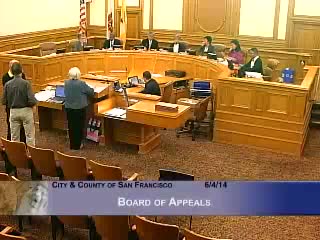
Board upholds Planning Department letter of determination on Walgreens alcohol sales
Loading...
Summary
The Board upheld the Planning Department's letter that classifies multiple Walgreens stores as 'other retail' and allows accessory alcohol sales under the planning code (up to 15% of gross floor area) in a 3–1 vote, with one commissioner recused; neighborhood groups had asked for conditional use hearings.
The Board of Appeals considered an appeal by Patricia Vahi and neighborhood groups challenging a Planning Department letter of determination (LOD) that classified 12 Walgreens locations as a retail use that may carry alcohol sales as an accessory grocery use up to 15% of the gross floor area.
Appellants urged the Board to require conditional‑use hearings for individual Walgreens locations, arguing the LOD treated diverse neighborhood contexts the same way and would bypass neighborhood hearings. They expressed concern about competition with small independent liquor retailers and excessive late‑night alcohol availability in certain corridors.
Walgreens counsel Dan Kramer said the letter of determination correctly applied the planning code: Walgreens stores fall within the “other retail” category that, when including a grocery component, may include accessory alcohol sales up to 15% of the defined gross area. Planning Department representative Scott Sanchez explained the LOD interprets the existing code; any future liquor license application to the State Department of Alcoholic Beverage Control (ABC) would trigger additional notice, potential protests and review that could result in Board of Supervisors or ABC hearings.
Public commenters from nearby businesses — including a long‑time liquor store owner and small wine merchants — urged the Board to require conditional use hearings to protect neighborhood merchants and the character of some commercial corridors. The Board majority found no abuse of discretion in the zoning administrator’s letter; Vice President Hurtado (recusal noted for the President) and a majority voted to uphold the LOD 3–1. The Board’s action affirms the Planning Department’s interpretation and leaves procedural opportunities for public protest at subsequent ABC or Board of Supervisors stages.