Get Full Government Meeting Transcripts, Videos, & Alerts Forever!
Get email alerts on the Environmental Review topic
No spam. Unsubscribe anytime.
Planning Commission certifies Harry Tracy Water Treatment Plant EIR, staff says public comments addressed
Summary
The Planning Commission certified the final EIR for the Harry Tracy Water Treatment Plant Long‑Term Improvements Project after staff described errata and responses to public comments; commissioners heard assurances from SFPUC staff about ongoing negotiations over Skyline Stables.
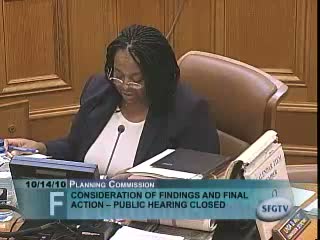
The San Francisco Planning Commission voted to certify the final environmental impact report for the Harry Tracy Water Treatment Plant Long‑Term Improvements Project, the commission announced at its Oct. 14 hearing.
Planning department environmental analyst Tim Johnston told commissioners the draft EIR and subsequent comments and responses were published and that three errata items had been issued to clarify the draft. He described program‑level, significant and unavoidable impacts tied to the larger Water System Improvement Program and summarized project‑level construction impacts including noise, traffic and emissions. Johnston said the errata do not change the EIR conclusions and therefore do not require recirculation under CEQA.
Ed Harrington, general manager of the San Francisco Public Utilities Commission, told the commission staff and his agency had worked extensively with commission staff and the public. "We have come to terms that we hope and believe will result in a final settlement agreement in the very near future that we'll be able to bring to our commission and to the board of supervisors," Harrington said of ongoing negotiations regarding Skyline Stables, a key local concern raised during public comment.
Planning staff recommended certification after concluding that the responses to public comments, including historic‑resource and tunnel access questions raised by stable advocates, had been addressed in the responses document. Commissioners praised staff and SFPUC for their outreach and work on mitigation and then voted to certify the EIR; the clerk recorded a unanimous vote to certify.
What happens next: certification allows SFPUC to proceed through its project approval processes, subject to the mitigation and possible overriding considerations identified in the EIR. The Planning Commission noted that separate actions by SFPUC and the Board of Supervisors will be required if SFPUC later decides to adopt and implement the project.