Get Full Government Meeting Transcripts, Videos, & Alerts Forever!
Get email alerts on the Seismic Safety And Building Permits topic
No spam. Unsubscribe anytime.
Board upholds permits for 340 Fremont after technical dispute over seismic standards
Summary
Homeowners association appellants argued that the proposed 42-story, 348-unit 340 Fremont tower did not meet San Francisco's post-2012 seismic performance and resiliency goals and asked that the site and demolition permits be revoked. The board found the permits were issued in accordance with code and DBI's review process and denied the appeals 4-0.
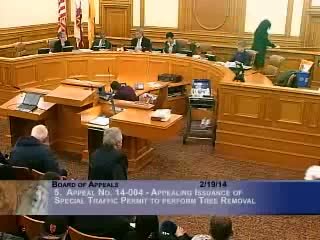
The San Francisco Board of Appeals on Feb. 19 rejected appeals from the Metropolitan homeowners association challenging site and demolition permits for a planned 42-story, 348-unit building at 340 Fremont, concluding the permits were issued consistent with applicable codes and the Department of Building Inspection's design-review process.
Dennis Martinez Galarce, president of the Metropolitan Homeowners Association, said residents sought assurances that the project's structural design would meet San Francisco's newer seismic performance policies (adopted in 2012) and argued the design materials submitted with the site permit did not establish elevated performance targets under California's AB 83 tall-building alternate procedures. "I come before you today because I'm concerned about... the facility that's being built next door," Martinez Galarce said, framing the appeal as a seismic risk-management issue for neighbors.
Counsel for the developer and permit holder said the site and demolition permits were issued following the city's process: the design-review panel and DBI reviewed the basis of design, and detailed structural calculations and addenda are part of an ongoing iterative review. Respondent counsel said the building is being designed to the current applicable code and that the design-review panel and DBI are actively engaged in confirming structural calculations.
Commissioners and technical witnesses debated whether a higher risk or performance category (a so-called Category 3 standard) should be applied in this specific case because of the project's scale and proximity to a PG&E substation; proponents of the appeal argued higher targets are feasible and appropriate to minimize property damage and maximize post-event occupancy, while respondents and DBI staff emphasized that the current code and the DBI'appointed review panel are the correct fora for those technical determinations.
After hearing expert testimony, public comment (including labor groups urging the project to proceed due to ready jobs and housing benefits), and a sustained technical exchange among engineers, counsel and DBI staff, the board concluded the permits were properly issued and voted 4-0 to uphold all three permits. The Department of Building Inspection and the independent design-review panel will continue to review structural calculations and addenda as the design process proceeds.