Get Full Government Meeting Transcripts, Videos, & Alerts Forever!
Get email alerts on the Excavation Foundation topic
No spam. Unsubscribe anytime.
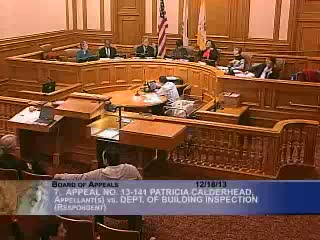
Board upholds permit for 3032 Jackson over neighbors’ foundation collapse claims; parties urged to cooperate on remedial work
Summary
After extensive testimony that excavation at 3032 Jackson damaged a neighboring foundation, the Board of Appeals denied the appeal and upheld the permit 5–0, while urging the parties to resolve access and coordination issues so necessary foundation repairs and shoring can proceed safely.
A contentious hearing over excavation work at 3032 Jackson Street ended Dec. 18 with the San Francisco Board of Appeals denying an appeal and upholding a previously issued permit, while commissioners and building department staff urged immediate cooperative action to protect adjacent properties.
Appellants and engineers described a collapse of an 11‑foot section of an unreinforced brick foundation at 3040 Jackson that they attribute to the excavation at 3032 Jackson. Mike Bowen and engineers Michael O’Connor and Anush Sabar (Jadian) said the exposed footing and two blowouts demonstrated the excavation had turned the neighbor’s foundation into an unsupported retaining condition that required underpinning. “There were two blowouts of this wall underneath Miss Calderhead’s building,” O’Connor said, describing an unsafe condition and urging continued suspension or remedial access for underpinning.
The permit holder’s structural engineer, Rodrigo Santos, acknowledged the incident and said the permit was obtained after intensive review by soils and structural engineers and DBI plan checkers; he described conversations with DBI and offered that his team had proposed phased solutions, including sectionalized work that could provide continuous new foundation elements. DBI Senior Building Inspector Joseph Duffy read the notice of violation issued after the collapse and described required steps — stop work at basement level, obtain geotechnical and structural engineering reports, and obtain a shoring permit before proceeding. DBI also said it had allowed some emergency work to stabilize structures and had issued NOVs to both sides.
Appellants and the permit holder reported recent off‑record meetings but lacked a signed access agreement and permit holder and appellant engineers disagreed about whether a full 20‑week underpinning would be needed and whether access to the permit holder’s lot would be granted. The board paused the case briefly to let parties meet in the hallway; no agreement was reached. Commissioners repeatedly returned to the safety of tenants in the adjacent building and pressed both sides for prompt coordination.
After deliberation the board denied the appeal 5–0, upholding that the underlying permit had been issued correctly, while urging DBI to work with the parties to permit and inspect any emergency work and to facilitate remediation; DBI noted civil‑code provisions (including a reference to Civil Code § 832) that can govern access when underpinning is required. Inspectors said timely underpinning could take weeks to months depending on sequencing and access. The board left open administrative and enforcement remedies should remediation not proceed appropriately.