Get Full Government Meeting Transcripts, Videos, & Alerts Forever!
Get email alerts on the Ceqa Appeals topic
No spam. Unsubscribe anytime.
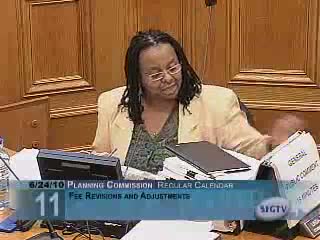
Planning commission backs revisions to local CEQA appeals process with staff, city‑attorney edits
Summary
The commission recommended amendments to Chapter 31 of the administrative code to set deadlines, clarify who may appeal exemptions/negative declarations, and update notice rules; the vote (6–1) endorsed staff and city‑attorney modifications while public commenters urged stronger notice and tenant protections.
The San Francisco Planning Commission voted 6–1 to recommend changes to local CEQA procedures in Chapter 31 of the Administrative Code, aiming to set firm deadlines for filing appeals and to clarify notice rules for exemptions and negative declarations.
The ordinance, sponsored by Supervisor Alioto‑Pier and explained by legislative counsel Bill Barnes, would create timelines for filing appeals (including a short deadline after adoption for certain negative declarations) and limit standing to those who previously commented on a CEQA document in many cases. Planning staff and the city attorney recommended several revisions — including refining when an appeal period begins for negative declarations and adding notice requirements for larger projects — to address public concerns.
Public commenters and the Historic Preservation Commission urged stronger notice for categorical exemptions and argued for more protections for tenants and occupants of tenancies‑in‑common who often miss mailed notices. City Attorney Kate Stacy and planning staff described drafting fixes to align the ordinance with state guidance and recommended staggered briefing schedules to allow appellants and respondents time to prepare.
The commission’s recommendation will be forwarded to the Board of Supervisors; staff said it expects the Board to hear the ordinance before the summer recess with additional drafting possible at that level.
What’s next: the Planning Commission’s recommendation — including the staff and city‑attorney changes endorsed by the commission — will go to the Board of Supervisors for final action; community groups asked for later refinements on notice to tenants and exemptions.