Get Full Government Meeting Transcripts, Videos, & Alerts Forever!
Get email alerts on the Formula Retail topic
No spam. Unsubscribe anytime.
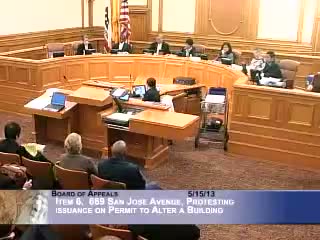
Board of Appeals overturns Fillmore retail permit, flags formula-retail threshold and waives one‑year reapply bar
Summary
The Board of Appeals voted 4–1 to overturn a building permit for a proposed OSCA store at 2130 Fillmore Street, directing planning staff to reconsider whether the business meets the city's formula-retail threshold and waiving the usual one‑year reapplication bar for a conditional use filing.
The San Francisco Board of Appeals on May 15 overturned a building permit for a proposed OSCA retail shop at 2130 Fillmore Street and directed planning staff to revisit whether the business meets the city's formula-retail definition, a move that will require the applicant to seek conditional‑use authorization if the Planning Department finds it meets the threshold.
The decision, 4–1, followed a long hearing in which Mio Ota, a Fillmore merchant and the appellant, said OSCA's combination of existing brick‑and‑mortar locations, leased sites and online shop listings demonstrates the company's intent to operate at scale and therefore triggers the Planning Code's formula‑retail controls. "With the Internet, ...many stores do not have physical stores, but they have an Internet presence," Ota told commissioners, urging them to include online operations in the count.
Monique Ramos, the West Coast partner who would operate the Fillmore shop, and her counsel said the chain does not have 11 U.S. retail establishments open now and that Planning staff's practice has been to count only brick‑and‑mortar stores actually operating when determining the 11‑store threshold. Ramos said OSCA is a small, locally run operation and described outreach and efforts to avoid opening near incumbent retailers.
Planning staff told the board the code has historically been implemented by counting stores actually open in the U.S. and that pending leases or marketing announcements typically do not count. "We have a standard ... that they are open," Planning staff said, explaining the practical limits of enforcement and verification.
Several neighborhood residents and merchants testified in favor of the appeal, citing the ordinance's intent to protect neighborhood-serving small businesses; other neighbors and a Fillmore merchant association representative urged caution before blocking new retail. After deliberations, the board adopted a motion overturning the permit and instructed staff to schedule findings for later adoption. The motion also carved out an exception to the usual one‑year bar so that the permit holder could immediately file for conditional use authorization if the department later finds OSCA to be a formula retail use.
What happens next: Planning staff will review the record and the board's direction and prepare written findings and, if it determines the formula‑retail threshold is triggered, the applicant may need to apply for conditional‑use authorization at the Planning Commission. The board reserved formal findings for a future date when it will vote again on specific language.