Get Full Government Meeting Transcripts, Videos, & Alerts Forever!
Get email alerts on the Community Development Rincon Hill topic
No spam. Unsubscribe anytime.
Commission hears Rincon Hill update: $11/sf fee collected to date, shortfall remains for planned infrastructure
Summary
Staff reported on Rincon Hill implementation: about 5,700 units approved since 1985 (≈2,900 built), two projects have paid the $11/sq ft infrastructure fee (totaling roughly $5.1M collected), and the plan’s estimated $26M public improvement program faces a multi‑million dollar shortfall; commissioners asked for more comparative reporting and contingency options.
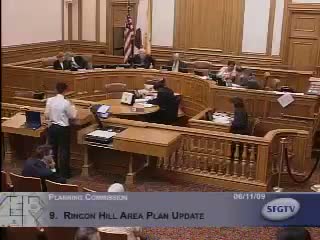
Planning staff presented an update on Rincon Hill implementation and funding at today’s meeting, detailing housing approvals, project status, and the neighborhood infrastructure fee.
Joshua Switzke told commissioners that since 1985 roughly 5,700 housing units have been approved in the Rincon Hill area, about 2,900 of which have been constructed. Projects approved since the 2005 plan are subject to an $11 per square‑foot community infrastructure fee; only two projects (333 Fremont and 425 First/One Rincon Hill) have generated fee payments so far. Switzke said One Rincon Hill paid through a Mello‑Roos district (about $4 million), and that staff has collected approximately $5.1 million under the $11/sf fee to date.
Switzke reviewed how the commission has authorized spending: mandated transfers to the SoMA stabilization fund (about 25% of incoming fee revenue), expenditures on Guy Place Park (about $1.9 million spent), reimbursement for streetscape work, and an in‑kind pedestrian mid‑block path pledged by 333 Fremont that has not been constructed. Based on 2005 estimates, the plan identified roughly $26 million in public improvements; anticipated fee receipts for full build‑out are around $16.7 million, leaving an estimated shortfall of a little over $9 million. Staff said the planning code requires the $6 million transfer to the SoMA stabilization fund and that payments have been applied incrementally based on city‑attorney guidance.
Public commenters urged clearer reporting and accountability: neighborhood activists asked for side‑by‑side comparisons of what the plan promised versus what has been built (parks, sidewalks, community center), for transparency on where SoMA stabilization funds have been spent, and for a 5‑year status report. Commissioners probed the legal basis for the SoMA transfer, the absence of an automatic fee escalator (staff said finance is drafting potential legislation), and contingency options used elsewhere such as fee deferrals tied to project performance.
Commissioners also discussed the broader policy tradeoffs: the plan depends heavily on private development to fund public improvements; without development moving forward, the city lacks alternate funding sources to build streetscape and open‑space improvements. Staff said an interagency implementation committee will pursue other funding and coordination opportunities with city agencies.
Next steps: commissioners requested more detailed comparative reports showing plan promises vs. realized improvements, a clearer statement of how SoMA funds were allocated, and consideration of whether fee policy adjustments (escalators or deferrals) merit legislative follow‑up.