Get Full Government Meeting Transcripts, Videos, & Alerts Forever!
Get email alerts on the Parks And Rec topic
No spam. Unsubscribe anytime.
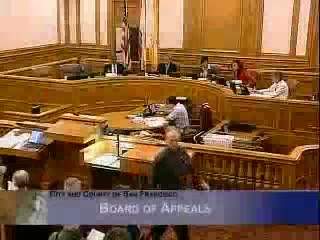
Board upholds Glen Canyon recreation permit despite protests over tree removals and CEQA review
Summary
The San Francisco Board of Appeals voted 4–0 on Nov. 14, 2012 to uphold a Department of Public Works/Rec & Park building permit for Glen Canyon Recreation Center improvements after residents urged rescission over tree removals and alleged inadequate CEQA review. Commissioners said the permit is code‑compliant; CEQA appeals must go to the Board of Supervisors.
The San Francisco Board of Appeals on Nov. 14 upheld a building permit allowing upgrades at the Glen Canyon Recreation Center, rejecting an appeal that argued the project’s tree removals and hillside work were improperly exempted from a broader environmental review.
Appellant Anastasia Glickstern and neighborhood speakers told the board the renovation plan would remove dozens of mature eucalyptus and other trees and “dramatically change” the canyon’s character. “This project will be wasting taxpayers’ money” and is “being done without environmental review,” Glickstern said during public comment, urging the board to revoke the permit for any work on the hillside.
Recreation and Park project manager Karen Monni Burdick defended the project as focused on the rec center’s programmed southern area and said the project was funded by the 2008 Clean and Safe Neighborhood Parks Bond. She told the board the department’s materials identify 58 trees to be removed under the permit and a planting plan that includes about 163 new trees; she also described arborist recommendations and multiple community meetings. “The improvement plan identified high priority features,” Monni Burdick said, including accessible restrooms and safer playgrounds.
Planning department staff and the Recreation and Park Department both told the board that the department issued a categorical CEQA exemption for the scope of work and that any CEQA determination is appealable to the Board of Supervisors, not to the Board of Appeals. Scott Sanchez of the Planning Department reiterated that the building permit’s scope — accessible paths, restrooms and site improvements — was reviewed under that exemption.
Commissioners acknowledged strong community concern about tree loss and whether portions of the work touched the Natural Areas program, but focused their decision on the building permit’s code compliance and the board’s limited jurisdiction over CEQA appeals. Vice President Frank Fung moved to deny the appeal on the basis that the permit is code‑compliant; the motion passed 4–0 and the permit was upheld.
The board’s decision leaves open the procedural route for challengers: as Planning staff noted at the hearing, disputes over CEQA findings and the categorical exemption must be appealed to the Board of Supervisors. Rec & Park said additional forestry work tied to broader park management will follow a separate public process.