Get Full Government Meeting Transcripts, Videos, & Alerts Forever!
Get email alerts on the Public Comment topic
No spam. Unsubscribe anytime.
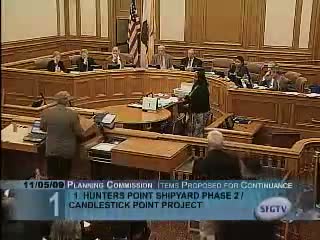
Public comments split between strong labor/community support and health/cleanup concerns for Hunters Point/Candlestick plan
Summary
Public testimony ranged from labor and neighborhood groups urging immediate implementation and jobs to health experts and tribal representatives citing cleanup and EIR concerns; speakers promised to scrutinize the forthcoming draft EIR.
The Planning Commission’s informational hearing brought a broad cross‑section of voices: construction trades, neighborhood organizations and community‑based groups largely supported the redevelopment for its job prospects and community benefits, while public‑health and tribal speakers warned that remediation standards and EIR analyses must be rigorous before land transfer or residential uses proceed.
Labor representatives from Carpenters Local 22, IBEW Local 6 and the Building Trades Council emphasized job creation and local hiring. Adrian Simi (Carpenters Local 22) cited an estimate of about 1,500 jobs per year for members and urged the commission to validate the will of the voters; other labor speakers highlighted negotiated community benefit agreements that proponents say include expanded affordable housing and workforce funding. Several union speakers and community groups described existing partnerships with Lennar and the city and urged the commission to move the project forward in a way that secures those benefits for local residents.
Multiple community organizations — including the San Francisco Organizing Project (SFOP), ACORN and smaller community nonprofits — described elements of the community benefits package: proponents at the hearing cited commitments such as $17 million for workforce training, a larger than typical affordable‑housing share (speakers gave varying figures) and matching city funds for workforce programs. Some speakers said the negotiated package increases the expected affordable unit count and funding beyond earlier requirements; planning staff and labor representatives pointed to a legally binding community benefits agreement in negotiations with the developer.
Speakers also raised environmental and public‑health concerns. Francisco De Costa (self‑identified as representing the Muwakma Ohlone) accused officials of presenting disinformation and urged thorough cleanup of watershed areas; he alleged historic testing with depleted uranium at specific parcels (Parcel E/E2). Those are serious allegations raised in public comment and were not substantiated during the hearing. Dr. Ahimsa Porter Soon Chai, a physician and former member of the Hunters Point Restoration Advisory Board, said she will review and is likely to challenge the draft EIR, citing perceived weaknesses in transportation mitigation and toxic air contaminant analyses and emphasizing that EPA priorities center on public health.
Other commenters made narrower points: an advocate requested that the planning process consider a Maglev alternative for east‑west transit; arts and cultural representatives urged retaining artist space (Building 101) and historic shipyard structures; and business and stadium supporters emphasized the site’s importance to keeping the 49ers in the city.
Planning staff and city presenters responded that remediation obligations are legally the Navy’s responsibility and that federal and state EPA oversight will confirm cleanup standards appropriate to future land uses (parks, residential or commercial). Staff also said that the draft EIR will address capping versus full cleanup, liquefaction, sea‑level rise and traffic impacts and that these topics will be analyzed in detail as part of the public review process.
Why it matters: the public testimony underscores competing civic priorities — job creation and community benefits versus strict cleanup standards and health protections. Many speakers expressed conditional support that depends on enforceable benefits and rigorous environmental safeguards.
What’s next: the draft EIR release and the Dec. 17 public hearing will be the forum for technical comment and formal challenges; several commenters signaled they will use that process to press for stronger remediation standards.