Get Full Government Meeting Transcripts, Videos, & Alerts Forever!
Get email alerts on the Project Overview topic
No spam. Unsubscribe anytime.
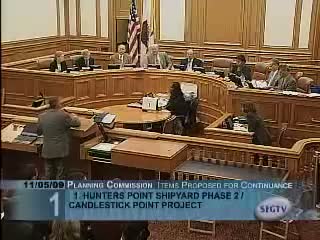
Planning Commission hears Phase 2 outline for Hunters Point Shipyard and Candlestick Point redevelopment
Summary
At an informational hearing, city officials and consultants presented the Candlestick Point–Hunters Point Shipyard Phase 2 plan (about 10,500 units, large new parks, and major transit upgrades); the draft EIR is due next week and a public hearing is scheduled for Dec. 17.
City officials on Thursday briefed the San Francisco Planning Commission on the Candlestick Point–Hunters Point Shipyard Phase 2 redevelopment, a multi‑decade program that proponents say would deliver housing, parks, jobs and major transit investments to the southeastern part of the city.
Michael Cohen, director of the Office of Economic and Workforce Development, told commissioners the plan builds on years of community process and voter approvals and that the Navy has spent “more than $500,000,000” on cleanup to date to ready land for development. He summarized the scope: roughly 10,500 residential units planned across the sites (about one‑third to be offered at below‑market rates, proponents said), about 300 acres of new and improved waterfront parks and trails, roughly 2,500,000 square feet of commercial and research-and‑development space, and long‑term employment impacts proponents estimate at about 10,000 permanent jobs and roughly 2,000 construction jobs per year over the course of build‑out. Cohen also noted roughly $17 million set aside for workforce training programs.
David Allenbaugh of the Planning Department framed the proposal against San Francisco’s General Plan and the updated Bayview Hunters Point area plan, saying the draft plan balances density, neighborhood character, and open‑space goals. David Tom of IBI Group then described urban‑design elements: a continuous shoreline park system (about half the planning area set aside for public open space in concept), three major axial streets that extend to the Third Street light‑rail corridor, a mix of mid‑rise and tower forms (Tom said roughly 25% of units would be in towers), retention and rehabilitation of selected shipyard structures (including Building 101 and a pump house), and a phased replacement strategy for the Alice Griffith public‑housing site intended to provide unit‑for‑unit replacement so current residents can remain on‑site during redevelopment.
Peter Albert of the San Francisco Municipal Transportation Agency outlined the project’s transit approach: a bus‑rapid‑transit (BRT) spine on Harney Way, bus extensions to connect the shipyard and Candlestick to BART and Caltrain hubs, two new one‑seat routes to downtown, a BRT bridge across Yosemite Slough designed as bus/ped/bike on non‑game days and with limited game‑day egress lanes, and a rail‑ready alignment in case light rail is later desired. Albert emphasized transportation‑demand management measures, such as eco‑passes bundled with housing and unbundled parking, to encourage transit use.
Kofi Bonner of Lennar Urban, present to answer developer questions, told the commission that infrastructure work for Phase I is underway and that the company believes it has the equity for near‑term infrastructure; he said community benefits are timed proportionally to build‑out and that the developer is pursuing construction financing to begin vertical work.
The Planning Department staff said the draft environmental impact report will be released next week and that the commission will hold a public hearing on the draft EIR currently scheduled for Dec. 17; zoning and design‑for‑development discussions are expected in January–February, with EIR certification and related approvals anticipated later in the spring.
Why it matters: project proponents say the plan will deliver large‑scale public benefits — parks, affordable housing, workforce funding and improved transit — without drawing from San Francisco’s general fund. The proposal also figures prominently in efforts to preserve the NFL’s 49ers in the city, a point several business and stadium‑related speakers raised during public comment.
What’s next: commissioners will review the draft EIR in public hearings; the Planning Commission will not take votes at this informational meeting. The public hearing on the draft EIR is scheduled for Dec. 17, with further Planning Commission review expected in early 2010.