Get Full Government Meeting Transcripts, Videos, & Alerts Forever!
Get email alerts on the Parks topic
No spam. Unsubscribe anytime.
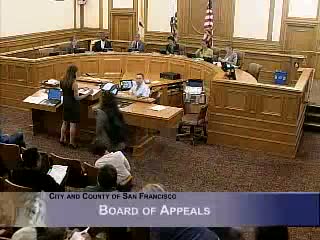
Board upholds Recreation and Parks permit for Lafayette Park renovation despite appeal
Summary
The Board of Appeals denied an appeal of Recreation and Parks’ permit for Lafayette Park improvements (permit 448 among multiple permits), finding the permit code-compliant despite concerns about archaeological remnants, ADA access and work that began before a job card was posted.
The San Francisco Board of Appeals on Aug. 22 denied an appeal of Recreation and Parks’ Lafayette Park renovation permits and upheld the code compliance of the permit at issue, recording a unanimous 4–0 vote.
Appellant Shannon Gallagher raised a series of concerns: she said historical remnants of the Halliday House may be present at the summit and must be preserved under federal law, questioned the adequacy of ADA path-of-travel connections to public transit, argued that substantial site work and drainage occurred without required permits or inspections, and said required special-inspection documentation was missing from permit files.
Mary Hobson, project manager for the Recreation and Parks Department, acknowledged an administrative oversight: the project’s building permit had been reviewed and paid for months earlier but staff did not pick up the job card, resulting in work beginning while the permit had not been formally issued. Hobson said the project is a major capital project funded through the 2008 Clean and Safe Neighborhood Parks Bond Program, that multiple permits were created because of multiple site buildings, and that the scope of the permit before the Board was limited to ADA restroom renovation, accessible paths, and retaining walls over four feet.
Scott Sanchez of the Planning Department said Lafayette Park is a public zoning district and not individually landmarked, that the project received environmental review appropriate to the scope before the Board (categorical exemption), and that archaeological or CEQA-related issues are more properly appealed to the Board of Supervisors. DBI representatives said the application had been routed through plan check and that required special inspections would be added and enforced; DBI also said it had authority to inspect and would be involved in ongoing inspections.
Public comment included both support for the renovation from the Friends of Lafayette Park and neighbors who raised concerns about outreach and construction oversight. After deliberation, commissioners said the appeal raised planning and environmental questions outside the Board’s jurisdiction and concluded that, for the permit before them, code requirements were met. The Board voted 4–0 to deny the appeal and uphold the permit; the clerk was instructed to release a notice of decision.