Get Full Government Meeting Transcripts, Videos, & Alerts Forever!
Get email alerts on the Beach Chalet topic
No spam. Unsubscribe anytime.
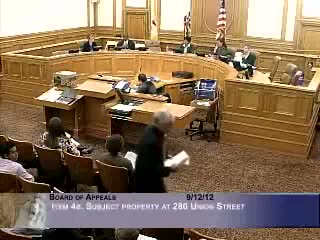
Board denies rehearing request over Beach Chalet turf project after new study debated
Summary
The Board of Appeals declined to rehear the Golden Gate Park Beach Chalet athletic fields permit despite appellants presenting a new peer-reviewed study on crumb rubber toxicity and alternatives, finding the new material did not change the local coastal permit findings or fall within the Board's jurisdiction over CEQA review.
The San Francisco Board of Appeals denied a rehearing request from the Golden Gate Park Preservation Alliance challenging a local coastal permit for renovation of the Beach Chalet athletic fields.
Catherine Howard, representing the alliance, asked the board to accept new evidence including a peer-reviewed study published Aug. 22 in Chemosphere that she said shows high levels of harmful compounds in recycled rubber tire infill used in artificial turf. Howard argued the study and additional analyses of a hybrid alternative could have changed the Board's earlier decision and warranted another hearing.
Planning Department staff and Recreation and Park Department project manager Dan Mower told the board the record on the local coastal permit had already been reviewed and that the planning department's administrative record and the environmental review considered comparable studies. Scott Sanchez of the Planning Department said the study does not change the department's environmental impact conclusions and that the EIR reviewed reasonably available reports on synthetic turf. The planning staff recommended denying rehearing because the local coastal permit appeal is not a CEQA reopening and the new materials do not meet the rehearing standard.
Members of the public and several appellants urged the board to take the new peer-reviewed analysis into account, stressing potential health and habitat impacts if more than seven acres of rubber crumb infill were installed. Rec and Park described the project as an effort to expand play hours, triple playable hours at the site in its permitting analysis and to address chronic field maintenance and ADA access problems.
After questions about whether the study had been available in time for the record and discussion about procedural limits on rehearing, the Board voted to deny the rehearing request, finding the standards for rehearing had not been met and instructing that notices of decision be released for the underlying appeals.
The decision leaves the planning commission and Rec and Park approvals in place; any arguments that the EIR requires supplementation would follow the processes available under CEQA and separate review channels, not the Board's rehearing route.
The Board's action was procedural: it does not adjudicate the scientific merits of the cited study but concluded, based on the planning staff's response and the record before it, that the new material did not meet the rehearing threshold.