Get Full Government Meeting Transcripts, Videos, & Alerts Forever!
Get email alerts on the Doctor Reform topic
No spam. Unsubscribe anytime.
Planning Department wins commission support for two‑year pilot of 'Doctor' reforms
Summary
The Planning Commission voted to start a two‑year pilot to reform discretionary review: a stronger pre‑application packet, mandatory internal design‑team review and a written definition of "exceptional and extraordinary" that will filter which cases reach the commission. The package includes an 18‑month evaluation with a report to the Board of Supervisors.
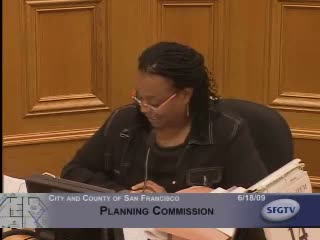
The San Francisco Planning Commission voted on June 18, 2009 to adopt a package of Phase 1 reforms to the city’s discretionary‑review process — commonly called "Doctor" — creating a two‑year trial with clear administrative steps before a case reaches the full commission.
Under the new policy, applicants and community members will use a standardized pre‑application packet and staff will run an enhanced internal review using a Residential Design Team (RDT) checklist with measurable triggers. If a case does not meet the written definition of "exceptional and extraordinary" (for example: unusual lot configuration, complex topography or an issue not addressed by existing design standards), the RDT will issue a written decision and staff will process the permit administratively. Cases that do meet the definition will be scheduled for a commission hearing within 90 days of filing.
Planning staff made the case that the reforms speed decision timelines and reduce time and cost for applicants and neighbors while preserving commission oversight for genuinely unusual or policy‑level disputes. The reforms create a formal request‑for‑reconsideration pathway (with fee refund in cases where staff error is shown) and require the department to publish weekly reporting of Doctors handled administratively and quarterly summaries to the commission during the pilot. Staff also pledged a public “feedback loop” so that precedent‑setting commission decisions will be translated into improvements to the design standards.
The package drew vigorous public response during the hearing. Supporters argued the plan reduces needless politicization of every small development and produces clearer, fairer and faster outcomes; opponents, including several long‑standing neighborhood organizations, warned that delegating gatekeeping to an administrative review team risks removing the public’s access to the commission and urged carve‑outs for established neighborhood organizations. After debate, the commission approved the policy resolution (4–1) with Commissioner Moore voting no; commissioners asked staff to include reporting to the Board of Supervisors and an 18‑ to 24‑month evaluation before any code‑level permanence. The commission also requested staff track Doctor filings by neighborhood organizations and keep commissioners informed of administrative disposals so the public retains transparency and oversight.
Staff said it will implement steps that do not require code change immediately (pre‑application materials, RDT checklists, website information) and return draft code amendments for administrative review and a formal reconsideration mechanism. The reforms are intended as a pilot: staff will return evaluation results to the Board of Supervisors and the commission after the trial period, and the Board will be asked to consider whether to codify the pilot’s features.
The commission’s action changes how many discretionary reviews will be processed in the near term, but staff and commissioners stressed it does not remove the commission’s retained authority: projects still can come before the commission where the new definition shows an exceptional or extraordinary circumstance, and the pilot includes multiple transparency and reporting requirements to preserve public participation and accountability.