Get Full Government Meeting Transcripts, Videos, & Alerts Forever!
Get email alerts on the 350 Mission Exception topic
No spam. Unsubscribe anytime.
Board of Appeals upholds planning commission exceptions for 350 Mission
Summary
The board denied an appeal by the adjacent owner of 50 Beale, upholding the Planning Commission’s exceptions for a 24‑story office project at 350 Mission in a 4‑1 vote. The appellants argued the mechanical shaft encroached into required setbacks; Planning staff and the developer said the design is justified by site constraints and LEED goals.
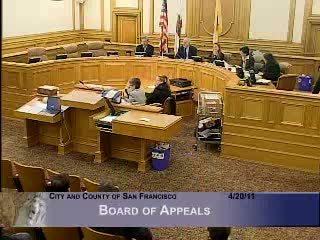
The San Francisco Board of Appeals on April 20 denied an appeal by 50 Beale Street LLC challenging Planning Commission exceptions granted to the 350 Mission Street office project, sustaining the commission’s findings by a 4‑1 vote.
Alex DeGood, counsel for 50 Beale, told the board the proposed 24‑story building seeks an exception that allows a 21‑story mechanical element to encroach roughly 7½ feet into a required 15‑foot setback, creating a visual and programmatic impact on the neighboring 50 Beale property. DeGood said the project sponsor had not shown a compelling necessity for the exception and that alternative stepped designs had not been shown that would preserve light, air and separation while achieving the developer’s program.
Project counsel Jim Rubin and the sponsor’s design team said the mechanical shaft is limited in width, placed on the rear of the tower to improve environmental performance, and that substantial engineering and planning review supports the chosen approach. Planning staff described the exceptions as within the discretionary standards of Planning Code §309, noting the project provides additional setback at lower levels and that the proposal had been subject to environmental review and a unanimous planning commission vote. Planning staff and the project team also said subsequent engineering work and plan check could further reduce the shaft’s volume.
After questions and discussion about design alternatives, recorded agreements on neighboring lots and whether a higher stepped design could achieve the same FAR without the exception, the board majority concluded the planning commission had not abused its discretion and upheld the commission’s exceptions. The motion to deny the appeal and uphold the findings carried 4‑1.