Get Full Government Meeting Transcripts, Videos, & Alerts Forever!
Get email alerts on the Environment topic
No spam. Unsubscribe anytime.
Neighbors press for more study of Pine-Franklin DEIR: wind, shadows, historic preservation and transit capacity raised
Summary
At a public hearing on the Pine-Franklin draft EIR, residents and preservation groups urged more study of shadowing, wind effects (especially for seniors), transit capacity on Van Ness, cumulative pedestrian impacts and alternatives that preserve historic storefronts; staff summarized five unavoidable impacts in the draft EIR.
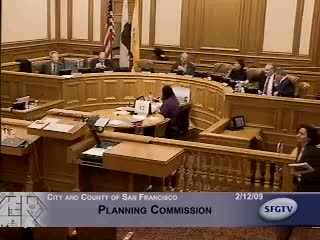
The Planning Commission opened the public hearing on the draft Environmental Impact Report for the Pine-Franklin project on Feb. 12, where staff summarized five unavoidable significant impacts, including land use/context impacts related to a proposed 240-foot West Tower and potential loss of historic resources from demolition of five buildings that may contribute to an automotive-themed historic district. The draft EIR also identifies a likely PM-peak transit capacity impact on northbound Van Ness buses.
Scores of speakers representing nearby high-rise residential towers, senior facilities, neighborhood associations and preservation organizations raised recurring concerns about shadows, wind, pedestrian and bicycle safety, and cumulative traffic and transit impacts. Several speakers urged the planning department to explore additional preservation alternatives that would reuse and integrate the existing historic buildings into a revised scheme rather than wholesale demolition.
Senior-housing advocates and residents of 1661 Pine (a senior tower across the street) emphasized the vulnerability of elderly pedestrians to increased wind velocities and asked that the wind analysis include summer months and additional measurement locations. Several commenters said the DEIR should expand pedestrian-level and bicycle analyses and better reflect cumulative impacts from other planned projects in the corridor.
Planning staff said the draft EIR is available for comment through Feb. 17 and will be revised as appropriate in response to written and oral comments; commissioners echoed requests to consider preservation alternatives and additional wind and pedestrian studies. The commission did not act on certification at the Feb. 12 hearing; public comment period remained open.