Get Full Government Meeting Transcripts, Videos, & Alerts Forever!
Get email alerts on the Parks Shadow topic
No spam. Unsubscribe anytime.
Commissions signal intent to raise Boedecker Park shadow limit to allow affordable housing
Summary
The San Francisco Planning Commission and Recreation and Park Commission voted a motion of intent to raise the cumulative shadow limit on Boedecker Park to accommodate a proposed 14‑story affordable housing project near Eddy and Taylor; Planning passed 5–2 and Rec & Park voted in favor. Final allocations and CEQA review remain to come.
Planning and parks commissioners on a special joint meeting signaled an intent to allow a modest increase in shadowing on Boedecker Park so a nearby 14‑story affordable housing project can proceed through environmental review.
Planning staff told commissioners the proposed Eddy and Taylor development would contain about 178 affordable units and reach roughly 130 feet. Staff recommended an intent to raise the park’s cumulative shadow allowance, saying the project’s social benefits make the limited new shadow supportable. Planning staff described the requested increase as 0.244 percent of the park’s annual potential sunlight and said that equals roughly 375,000 shadow foot‑hours annually. Park staff said the proposed new shadow would fall primarily on the park’s northern section and mostly affect a trellised, passive‑use area that is underused during park hours. “Due to the character and limited scope of the new shadow and due to the significant social benefits of the project, staff recommends that you adopt a motion of intent to allow new shadowing on Boedecker Park,” Planning staff said.
Commissioners pressed staff on measurement and alternatives, including whether existing tree shade is counted (staff: shadows from trees are not included in the analysis) and whether the project provides on‑site open space to offset park impacts. Planning staff and the project sponsor said the design includes terraces and an interior courtyard and that eliminating the new shadow entirely would remove many units and could render the project infeasible.
Public comment was sharply divided. Housing advocates, including representatives of Tenderloin Neighborhood Development Corporation, urged approval and noted the project would provide family units and a grocery storefront for a neighborhood they described as severely underserved. Opponents and park volunteers expressed concern about cumulative loss of sunlight and urged caution; several asked that more complete composited shadow studies, including the nearby City College Chinatown campus project, be provided before a policy shift.
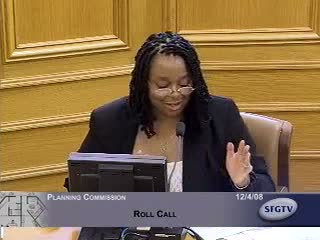
After debate, the Planning Commission approved a motion of intent to increase Boedecker Park’s cumulative shadow limit (motion of intent, not a final allocation) by 0.244 percent; the motion passed 5–2 with Commissioners Antonini, Borton, Bill Lee, Ron Miguel and Christine O’Lough voting Aye and Commissioners Catherine Moore and Bill Segaya voting No. The Recreation and Park Commission recorded a unanimous affirmative roll call and the chairs indicated they would proceed through CEQA and subsequent hearings to make any final determinations and allocations.
The city attorney reminded commissioners that the vote taken today is an intent to inform environmental review and that final action on changing park criteria and allocating new shadow would follow the CEQA process and subsequent entitlement hearings. Staff also said an update to the commissions’ 1989 guidance on shadow limits will be brought back for further policy clarification.
Next steps: CEQA environmental review and later sequential hearings before the Planning Commission and the Recreation and Park Commission will analyze shadow impacts in detail and, if warranted, consider final adjustments to park shadow budgets.