Get Full Government Meeting Transcripts, Videos, & Alerts Forever!
Get email alerts on the Sustainability Overview topic
No spam. Unsubscribe anytime.
San Francisco departments outline citywide sustainability agenda to Planning Commission
Summary
City planning, the mayor’s climate office, Department of the Environment, PUC, Port and DPW presented coordinated sustainability programs — from green building rules and a solar rebate to waste diversion, urban forestry and pilot renewable-energy projects — at the Planning Commission on Sept. 25, 2008.
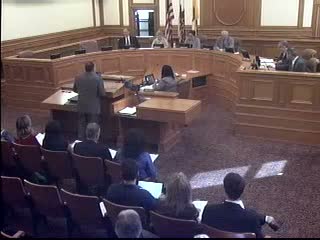
The San Francisco Planning Commission convened a special hearing Sept. 25, 2008, for departments to present the city’s current and planned sustainability work, including the 2004 Climate Action Plan targets, green building requirements and pilot renewable-energy projects.
The presentations laid out why the city is prioritizing sustainability: Wade Crowfoot of the mayor’s office said San Francisco’s 2004 Climate Action Plan set an early target of a 20% reduction in greenhouse-gas emissions below 1990 levels by 2012. He told commissioners, “San Francisco can and should be a model of an urban community that actually took meaningful action on climate change.” That inventory and follow-up work frame the planning and program decisions now underway.
City departments described an array of initiatives intended to reduce emissions from the two largest sources identified in the city’s inventory — transportation and buildings — and to increase renewable energy and recover resources. The Planning Department described area plans and rezones (Treasure Island, Hunters Point Shipyard, Transit Center District and Visitation Valley) that embed sustainability standards such as green roofs, stormwater controls and neighborhood-scale energy ideas. The Department of Building Inspection discussed implementing the city’s Green Building Ordinance, which requires LEED or equivalent ratings for many new projects over 5,000 square feet and expands priority permitting for green projects.
The Department of the Environment said the city’s community-wide recycling diversion rate has reached about 70%, with a 75% target by 2010 and a zero-waste goal by 2020; it also described a green business certification program and outreach tools including a solar potential map available at sfsolarmap.org. The Public Utilities Commission outlined water-conservation audits, plans for recycled and ground water, a regional desalination pilot and a solar incentive program paid from PUC revenues. The PUC and the Port described projects to convert collected restaurant grease into biodiesel and a shoreside power project for cruise ships to cut local air pollutants.
Department of Public Works urban-forestry staff described efforts to preserve and expand the street-tree canopy and to pilot stormwater planters and recycled-material pavements while noting maintenance and funding challenges for long-term tree care.
Commissioners asked detailed follow-up questions on e-waste collection, composting incentives, permit fees and the feasibility of a local carbon/green tax. Departments and the mayor’s office agreed to follow up with additional briefings and outreach, including targeted assistance for multi-unit buildings and neighborhood-level education.
The commission did not take formal action at the hearing; staff said missing agencies (MTA, Recreation & Parks, Redevelopment Agency, Department of Public Health and others) could be invited to future sessions as projects move forward.