DBI Gives Overview to Board on How to Read Building and Construction Plans
Loading...
Summary
Deputy Director Lawrence Kornfield and Planning staff explained required plan components, why some exterior elevation dimensions may not appear on 3‑11 notices, and what reviewers look for in plot plans, sections and structural details.
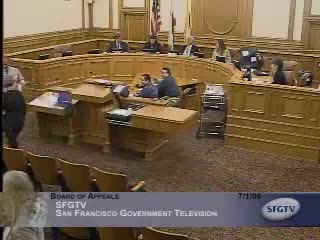
Deputy Director and Chief Building Inspector Lawrence Kornfield gave a detailed presentation to the Board on how to read architectural and construction plans and what the Department of Building Inspection (DBI) requires for different types of work.
Kornfield walked commissioners through typical plan elements — title block, plot plan, index/sheet list, scope of work, floor plans, elevations, sections and construction details — and explained when dimensioned exterior elevations are required (e.g., for new buildings or where planning requires them) and when interior datums are used for horizontal/vertical additions. He emphasized clarity and legibility, noting that 3‑11 plans (neighborhood notices) are not equivalent to full construction plans and are typically not required to carry survey‑level elevations for routine additions. Kornfield also reviewed structural details such as truss assemblies, special inspection triggers and the need for accurate scales and dimensions.
Planning staff Scott Sanchez added that planning notices and the planning code can have different timing and requirements than the building code; planning often requests additional neighborhood‑oriented information such as profile of adjacent buildings when discretionary review is anticipated.
Kornfield used an example plan that entered DBI review in November 2008 and was approved for issuance in June 2009 to illustrate typical plan check durations for an addition and the level of detail DBI expects on different sheets.
Why it matters: The presentation clarified why neighbors and applicants sometimes see different levels of detail on planning (3‑11) notices versus building permit documents and reinforced what types of evidence staff rely on when evaluating appeals and permits.