Get Full Government Meeting Transcripts, Videos, & Alerts Forever!
Get email alerts on the Historic Preservation topic
No spam. Unsubscribe anytime.
Board moves 252 Ninth Street demolition to 'call of the chair' after planning flags possible historic resource
Summary
The Board of Appeals continued an appeal over the demolition permit for 252 Ninth Street to the 'call of the chair' after planning staff said surveys identify the building as a contributor to a potential Western SoMa historic district, raising CEQA concerns and calling into question a prior categorical exemption.
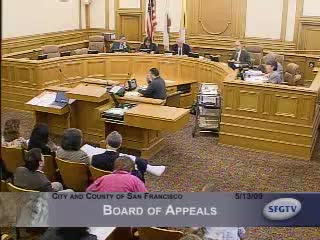
The San Francisco Board of Appeals on May 20 continued an appeal over a demolition permit for 252 Ninth Street to the "call of the chair" so planning staff can finish environmental review after new survey information suggested the building may be a historic resource.
Planning Department staff told the board the application was initially approved in 2002 and relied on a categorical exemption under the California Environmental Quality Act but that additional surveys, including later Eastern Neighborhoods and Western SoMa studies, now identify the property as a potential contributor to a Western SoMa Light Industrial and Residential Historic District. "The department has since been informed...the building could be considered a historic resource," planner Scott Sanchez said, describing surveys transmitted to the department and a recent determination that the area warrants heightened review.
Deputy City Attorney Catherine Barnes urged caution about approving the permit while the environmental document is in doubt. "A categorical exemption is not available...when you have evidence that it is a historic structure," Barnes told the board, saying that if substantial evidence exists the board cannot lawfully approve the permit on a CatEx basis.
Appellant Jackie Bryson, a neighborhood resident who said her apartment windows overlook the property, told the board the building was constructed in 1911 and urged an environmental impact report, citing concerns about noise, loss of sunlight and the vulnerability of neighbors. "We have people who are HIV positive and have compromised immune systems," Bryson said, urging the board to protect the neighborhood.
Property owner Stanley Chia said his family began the permitting process in 2002, described delays caused by party‑wall and title issues and said the owner had posted notices and obtained required permits. Department of Building Inspection staff confirmed that demolition permits require a 300‑foot mailing and posting and that photographs documenting posting are maintained in the file.
Commissioners debated options that included overturning the permit or placing it in the call of the chair to allow Planning to complete or correct its CEQA documentation. Several commissioners said continuing the item would protect neighbors’ rights while allowing the permit holder to return if planning concludes additional environmental review is not required.
The board voted to continue the matter to the call of the chair so Planning can examine the new information and determine whether an EIR or other additional review is necessary. The matter will return to the board after Planning completes its follow‑up.