Get Full Government Meeting Transcripts, Videos, & Alerts Forever!
Get email alerts on the Academy Enforcement topic
No spam. Unsubscribe anytime.
Planning staff outlines enforcement push on Academy of Art properties as Flower Market tenants press for protections
Summary
Planning staff told the commission it will prioritize a handful of Academy of Art University properties for joint inspections with the City Attorney—s Office, and tenants at the San Francisco Flower Market urged commissioners to protect market operations and get clarity on March 1 occupancy claims.
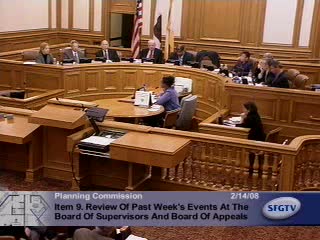
Planning Department staff updated the Planning Commission on Feb. 14 on a months-long enforcement effort targeting properties owned or occupied by the Academy of Art University, saying the department will work with the City Attorney—s Office and other city agencies to conduct coordinated inspections and pursue compliance where appropriate.
The department said it has routed permits for Academy-owned and occupied properties and is reviewing Institutional Master Plan submittals. Staff identified about half a dozen properties that raise the most concern and said it hopes to begin a joint inspection effort as early as mid-March, though it warned the overall process could take months because of the number and complexity of sites involved.
Those updates drew a long string of public comments from tenants and small business owners at the San Francisco Flower Market, who said they have not gotten adequate responses from the Academy and urged stronger city action. "I really especially want to thank all the commissioners who actually come down, talk to tenants, walk the floor, and really see how the community works there," said Mike Farrow, a Flower Market small-business owner who testified in support of more city involvement. Several vendors said they had sent letters and requests to the Academy but had received little or no reply.
Planning staff said the enforcement path typically starts with notice letters and routing of permits for planning review, followed by a zoning-administrator notice of violation and then, if upheld, a cease-and-desist order and referral to the City Attorney for enforcement. In several cases the department said it will pursue conditional-use or other discretionary reviews for problem sites rather than simply administrative enforcement to ensure public notice and opportunity for hearing.
The commission requested that staff return with timelines and clear next steps. Planning staff said it will inform commissioners in advance of any mid-March start to joint inspections and will prioritize properties that appear to present the most immediate health, safety or planning-code compliance risks.
The department did not announce enforcement deadlines or specific penalties at the hearing. Commissioners said they wanted regular updates and clearer follow-up assignments from staff so the public and the market tenants could track progress.
What happens next: planning staff will prepare a prioritized inspection list and coordinate with the City Attorney—s Office; commission members asked staff to bring regular status reports back to the commission so the department—s casework can be measured against public expectations.