Get Full Government Meeting Transcripts, Videos, & Alerts Forever!
Get email alerts on the City College Supplemental topic
No spam. Unsubscribe anytime.
Budget committee advances $2.7 million bridge to restore City College classes after widespread cuts
Summary
The San Francisco Budget and Finance Committee voted to send a $2.7 million supplemental appropriation to the full Board to help restore roughly 300 City College of San Francisco classes cut for spring 2020, following hours of public testimony from students, faculty and community groups.
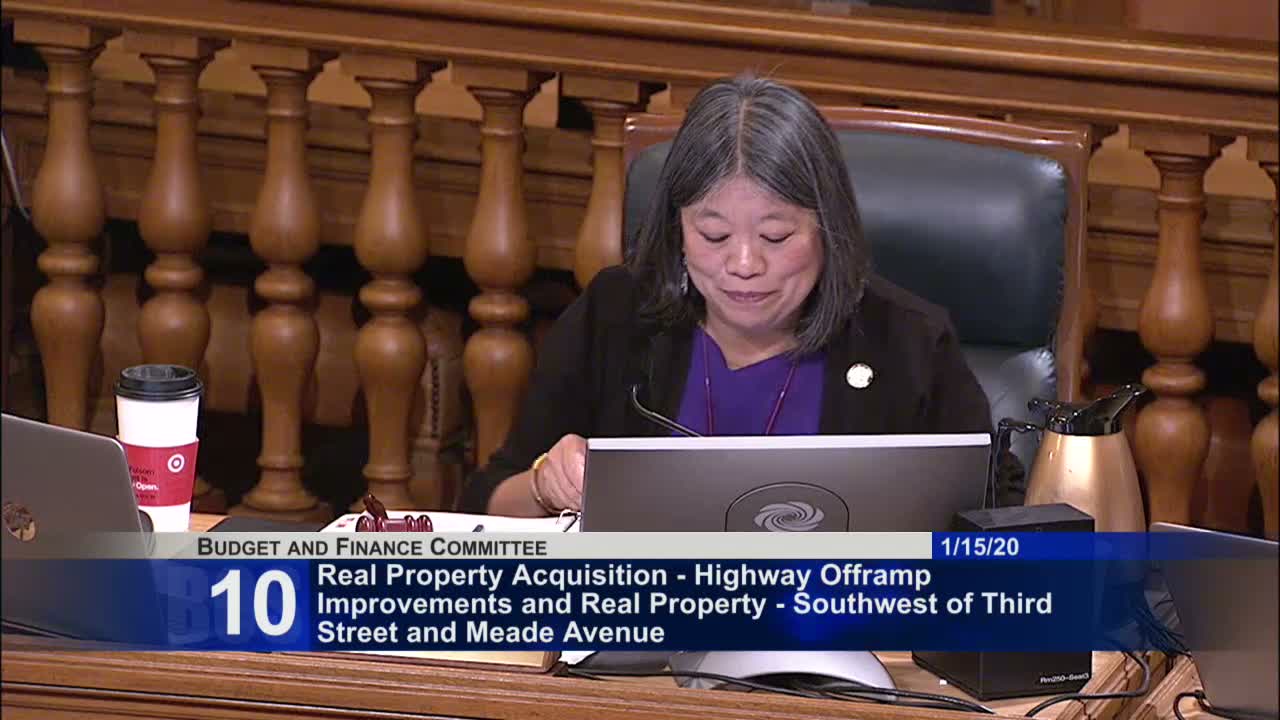
The Budget and Finance Committee on Tuesday moved a $2.7 million supplemental appropriation to the full Board of Supervisors to help City College of San Francisco restore classes cut for the spring 2020 term.
Supervisor Shimon Walton, sponsor of the measure, said the funding is intended as bridge support to preserve courses that serve “our most vulnerable populations,” including older adults, students seeking workforce certificates and those working toward degree completion. Walton said the money should buy time while longer-term solutions are developed, including a possible November ballot measure to fund the college.
The Budget Analyst’s Office reported that the appropriation would draw from the city’s general reserve, which had a balance of $130.9 million as of June 30, 2019, and described the sources and uses in a legislative table. The BLA recommended the proposal as a policy matter for the Board.
Committee members questioned logistics and demand. Supervisor Rafael Mandelmann said he had not seen an explicit request from City College administration or the elected Board of Trustees to accept the funds and expressed concern about the city “writing a blank check” without clarity on how the money would be deployed. Mandelmann said he would likely vote against the measure at the Board hearing unless outstanding questions were answered.
Supporters — including faculty, students and union representatives — delivered more than an hour of public comment, recounting classroom wait lists, specific classes that were cut and personal impacts. Student Aria Moras said the elimination of a single required course left her one class short of graduation. Wind Kaufman, a vice president of AFT 2121, said the cuts were abrupt and that the supplemental was “a lifeline” while longer-term fixes are pursued. Several speakers urged the Board to require a financial audit or greater transparency from City College administration.
Sponsor Walton proposed minor amendments to the ordinance—editing language on reporting and tightening a receipt date for an initial report—and the committee agreed to forward the measure “with a positive recommendation, as amended.” The chair said the funds would be returned to the general fund if City College’s administration declined to accept the money or spent it differently than the ordinance envisages.
The committee’s action sends the appropriation to the full Board. The Budget and Finance Committee did not record a final roll-call tally in the transcript; Mandelmann publicly announced his intent to oppose the measure. The Board is scheduled to consider the item on January 28.
The committee debate underscored two persistent tensions: how quickly the city can respond to a sudden academic disruption, and how much oversight the city should require when it provides one-time bridge funding to a separate public institution.