Get Full Government Meeting Transcripts, Videos, & Alerts Forever!
Get email alerts on the Vacancy Tax topic
No spam. Unsubscribe anytime.
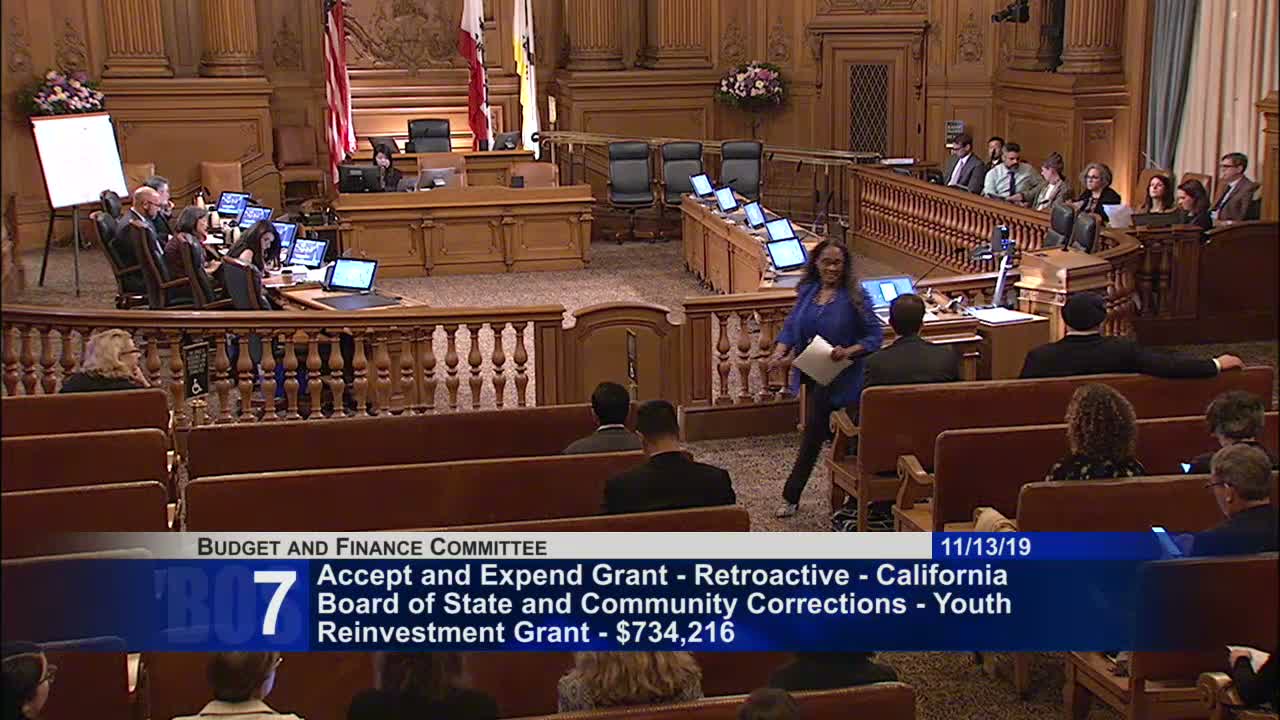
Supervisors advance vacancy tax measure to March 2020 ballot after hours of debate
Summary
The Budget & Finance Committee voted to forward Supervisor Aaron Peskin’s amended proposal for a neighborhood storefront vacancy tax to a special meeting, with supervisors and analysts weighing exemptions, enforcement and economic risk. Supporters said the tiered tax will push 'bad actor' landlords to lease space; critics warned small businesses could bear costs.
The San Francisco Budget & Finance Committee on Tuesday advanced a measure that would place a vacancy tax on the March 3, 2020 ballot to target long‑term ground‑floor retail vacancies in Neighborhood Commercial Districts and neighborhood commercial transit districts.
Supervisor Aaron Peskin, the measure’s author, presented amendments that would make the assessment avoidable in many cases: a tiered tax of $250 per linear foot in year one, $500 in year two and $1,000 in year three and beyond for ground‑floor space left inactive for more than 182 days. Peskin said the tax is designed as an incentive, not a revenue grab: "If a property owner has a choice between being assessed this tax or reducing rents to a reasonable rate ... that would be a really good thing," he said.
Teddy Egan of the Controller’s Office, who prepared an economic impact report, told the committee the office lacks precise city‑wide vacancy counts and urged safeguards. Egan said the report did not model Peskin’s later amendments and recommended exemptions for official U.S. recession periods and other tailoring to reduce unintended harm. "Vacancy in commercial areas reduces quality of corridors," he said, but noted long‑term structural declines in neighborhood retail employment that could limit the measure’s effectiveness.
Treasury and Tax Collector staff told the committee the tax would be self‑reported but enforced through audits and tip lines, and that the city would use multiple data sources, including DBI and commercial rent databases, to identify liable properties. Amanda Fried of the Treasurer’s Office said the tax’s finite, geographically defined property list would ease administration.
Small‑business advocates and tenant lawyers urged caution. Tobias Damlour, staff attorney at the Lawyers’ Committee for Civil Rights, warned the cost could be passed to small tenants and urged more time for amendments, calling for protections to prevent landlords from passing the tax through lease terms. "We share the goal of increasing occupied space, but we worry the burden will eventually fall on small businesses," he said. Several merchant groups and neighborhood business associations, including speakers from North Beach and the Haight, supported the measure as a tool to combat long‑term blight.
DBI officials said their vacancy registry and enforcement have grown — registrations rose from roughly 44 to 283 — but acknowledged undercounting remains a risk. The committee discussed multiple technical exemptions: pauses for building permit processing, one‑year protection after permit issuance, conditional use application windows, disaster relief periods and potential safe harbors during recessions.
Legal staff and the city attorney cautioned that substantial amendments may require additional hearings and a special board meeting to keep the March ballot timeline. The committee voted to approve the presented amendments and continue the measure to a special Budget & Finance Committee meeting, with staff instructed to work with the author’s office and the city attorney to refine implementation mechanics.
Next steps: the measure was continued to a special committee meeting for further amendment and must be placed on the Board of Supervisors’ agenda to meet the ballot‑posting deadlines.