Get Full Government Meeting Transcripts, Videos, & Alerts Forever!
Get email alerts on the Labor And Overtime topic
No spam. Unsubscribe anytime.
Controller: city overtime hours rose in FY17–18; 1,117 employees exceeded 25% cap
Summary
The Controller’s FY17–18 overtime report showed overtime hours up ~5.4% and expenditures up ~13%; 1,117 employees exceeded the Administrative Code’s 25% overtime cap while DHR granted 67 exemptions, prompting calls for follow‑up on exemptions, staffing and employee health.
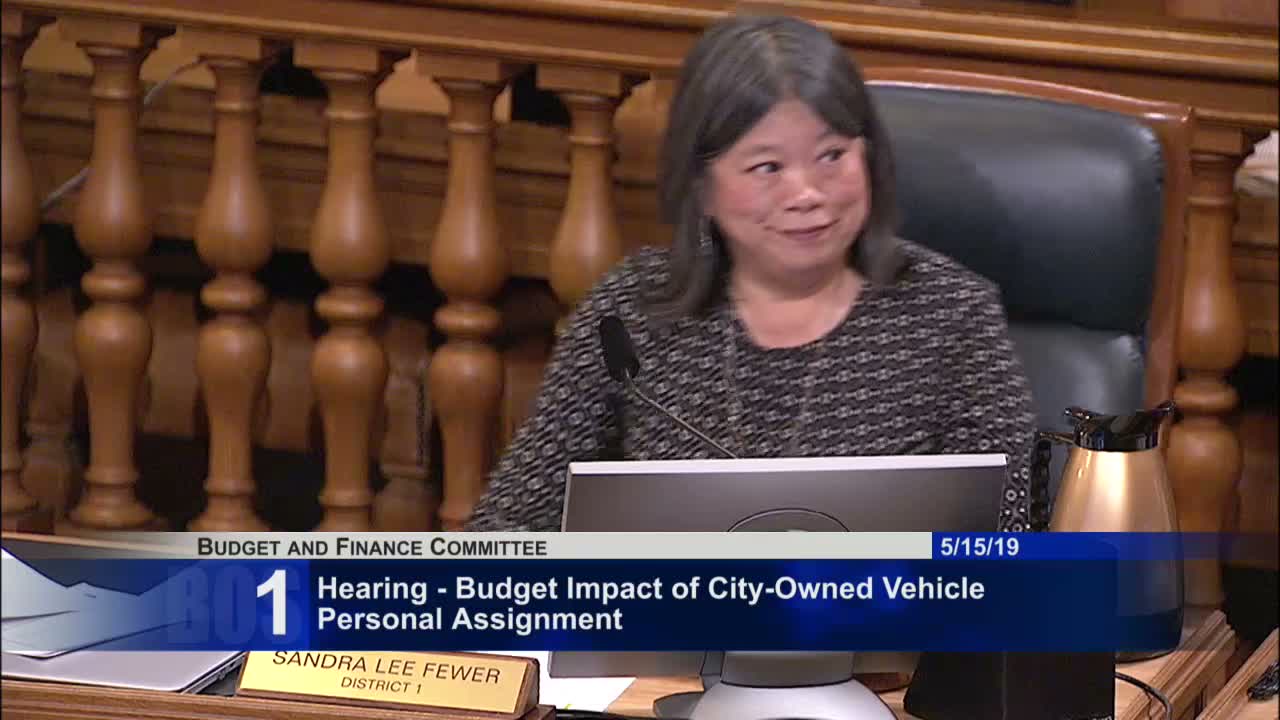
The Budget and Finance Committee received the city’s FY17–18 overtime report on May 15, where the Controller’s Office said overtime hours citywide rose about 5.4% while overtime expenditures increased roughly 13%.
Michael Mitten of the Controller’s Office said the increase in expenditures outpaced hours because wages rose. "Overtime hours were up 5.4, expenditures up 13%," he told the panel, explaining that wage growth and a higher share of straight‑time overtime in certain classifications drive the divergence. The office reported that overtime comprises about 2% of citywide spending.
The report identified the five departments with the highest overtime use — MTA, Fire, Police, Sheriff and DPH — and noted different drivers for each. The MTA uses scheduled overtime for transit operators and reported both scheduled and unscheduled overtime; the Fire Department said overtime fell after hiring and new academy classes; the Police Department said a significant share of its overtime growth reflected outside‑funded detail work (the Administrative Code’s "10b" program) and mutual aid; the Sheriff said workload increases and staffing shortfalls have driven heavy reliance on overtime; and DPH said hospital staffing needs and specialty nurse shortages account for much of its overtime.
The Controller reported 1,117 employees exceeded the Administrative Code limit that caps overtime at 25% of regular hours unless exempted; only 67 employees received exemptions through the Department of Human Resources. Mitten recommended follow‑up with departments and DHR to understand why so few exemptions were recorded and to ensure the exemption process is functioning.
Board members pressed departments on human impacts and safety. Supervisors raised concerns about sustained overtime, fatigue and morale and asked whether the city has an "ideal" overtime target; the Controller replied he was not aware of an optimal overtime benchmark and recommended further study. Police and MTA officials described internal caps and federal driving limits that constrain how much overtime certain job classes can work.
The committee accepted the report and Chair Sandra Lee Feuer moved to file the item; the motion was taken without objection. Several supervisors asked staff to return with additional data on exemptions, court pay and the human impacts of sustained overtime.