Get Full Government Meeting Transcripts, Videos, & Alerts Forever!
Get email alerts on the Minimum Compensation Ordinance topic
No spam. Unsubscribe anytime.
Controller and working group urge funding to address nonprofit wage compression; labor and providers press for full allocation
Summary
Controller Ben Rosenfield summarized a working‑group report on the Minimum Compensation Ordinance (MCO), estimating direct city‑contract costs and larger wage‑compaction and equity pressures; labor and nonprofit speakers urged full funding (working‑group and sector figures cited in testimony ranged up to ~$27M) to offset turnover and recruitment shortfalls.
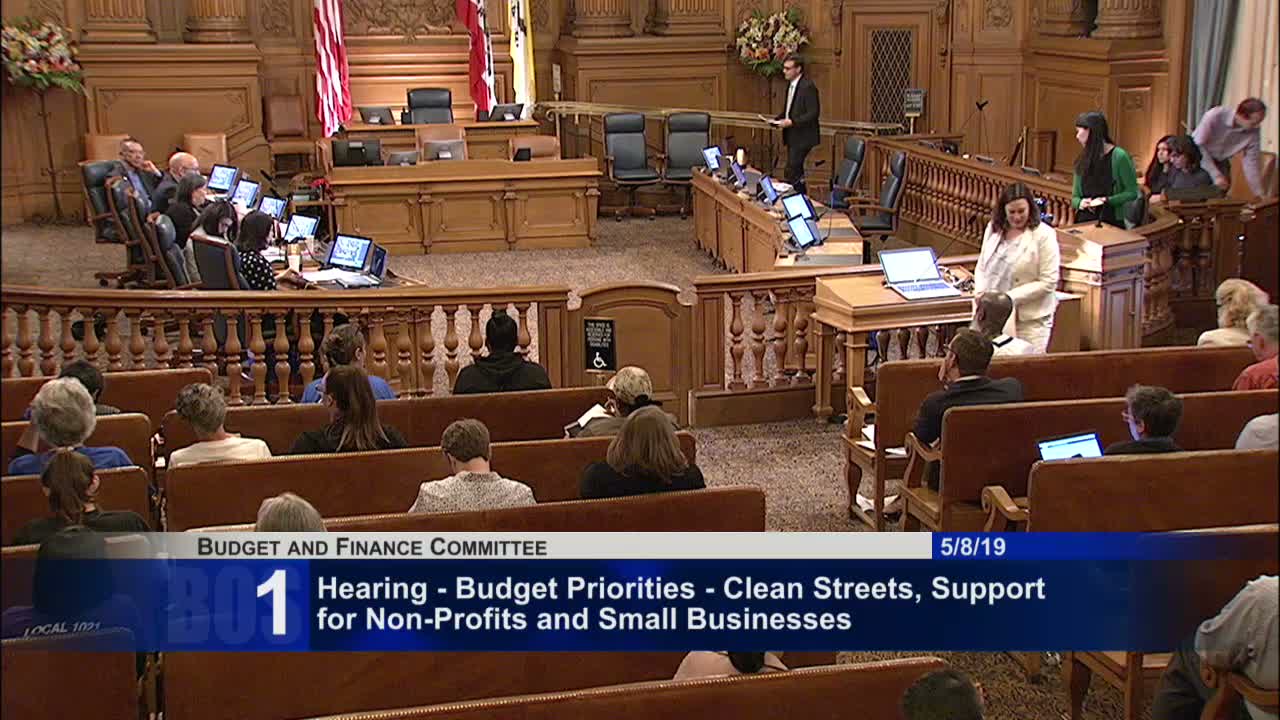
City Controller Ben Rosenfield told the Budget and Finance Committee that the Minimum Compensation Ordinance (MCO) increase for nonprofit contractors will raise the city‑contracted wage floor to $16.50 on July 1, contingent on budget appropriation, and thereafter index the floor by CPI.
Rosenfield reviewed earlier Controller Office sampling of 42 nonprofit organizations and described the working group (city staff, labor and nonprofit representatives) convened to study direct costs, wage compaction up the pay scale and equity pressures for workers funded by non‑city contracts. The working group reported a set of findings and recommended a centralized Controller‑administered allocation process if the mayor and board appropriate funds.
Key working‑group estimates presented to the committee included an approximate direct cost of $1.3 million to meet the city‑contract legal requirement and additional compression and equity scenarios that, if modeled to maintain differentials up to $30/hour, produced combined cost estimates in the low tens of millions (controller cited $12.9M compaction plus $1.3M direct cost for approximately $14.2M in one scenario). Rosenfield emphasized that the estimates were preliminary and that a citywide application process would collect organization‑level data for final allocation.
Labor and nonprofit witnesses, representing SEIU and multiple provider networks, urged the board to fully fund both the direct MCO cost and the compaction/equity adjustments. Multiple speakers described high vacancy and turnover rates, difficulty recruiting desk clerks, clinicians and janitorial staff, and service disruptions that reduce billable revenue and program capacity. Testimony from provider organizations and unions cited a higher aggregate funding figure — frequently referenced by witnesses and advocacy groups in public comment as $27 million — to address both vertical compaction and horizontal equity across city‑funded and partially city‑funded contracts.
During more than two hours of public comment, dozens of nonprofit leaders, union representatives and frontline staff described how recruitment and retention problems have reduced service delivery, increased overtime and harmed program continuity. Speakers requested a transparent, centralized allocation process with prompt execution after budget adoption so funds could flow to providers before wage changes take effect.
After testimony, the committee did not finalize appropriation levels; the item was continued to the call of the chair for further budget work and for the Controller and departments to supply the detailed application form and criteria Rosenfield described.