Get Full Government Meeting Transcripts, Videos, & Alerts Forever!
Get email alerts on the Fleet Policy topic
No spam. Unsubscribe anytime.
San Francisco committee hears that city assigns twice as many permanent take‑home vehicles as code allows
Summary
Budget analysts told the Budget and Finance Committee that while the Administrative Code allocates about 113 take‑home vehicles, departments report roughly 247 permanent take‑home assignments; the analyst estimated an annual direct cost of about $1.6 million and urged code updates and clearer guidelines.
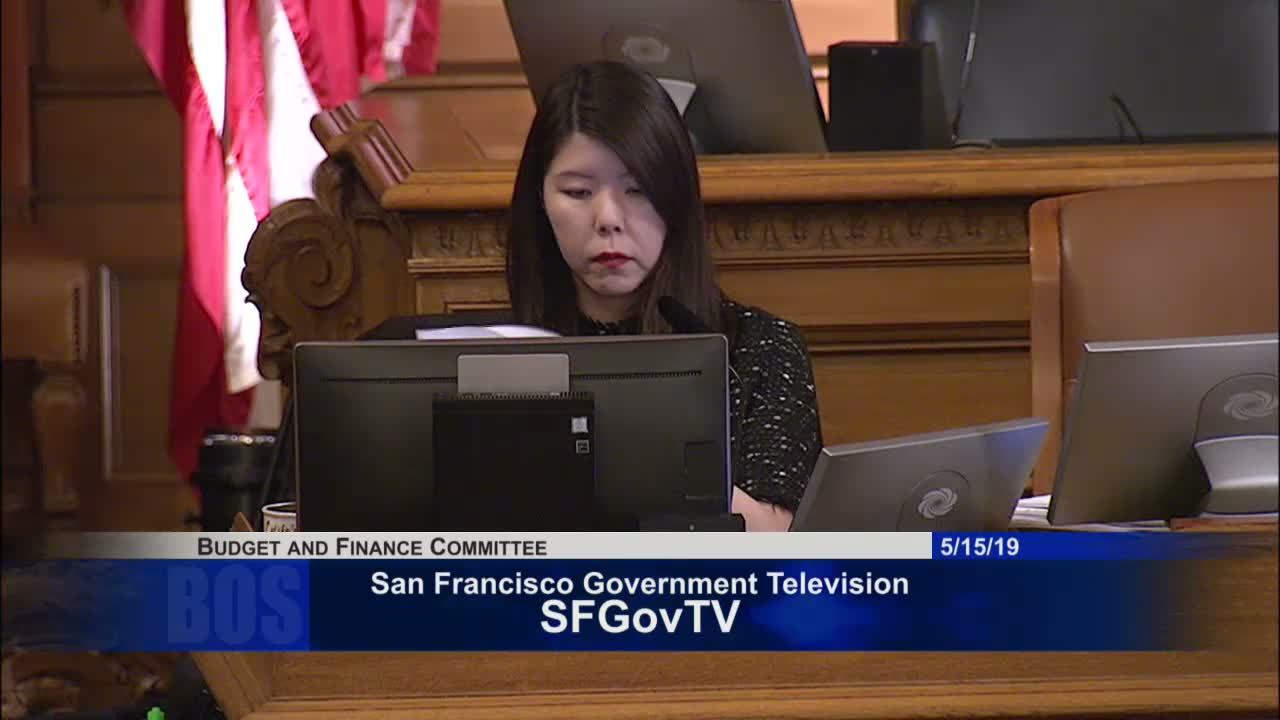
The San Francisco County Budget and Finance Committee on May 15 heard that city departments assign far more permanent take‑home vehicles than the Administrative Code envisions, creating untracked costs and inconsistent policies across agencies.
Sevin Campbell of the Budget Legislative Analyst’s office told the committee that the Administrative Code written in 2004 allocates roughly 113 take‑home vehicles but the BLA’s survey found about 247 permanent take‑home assignments. "Our estimates were a cost of about $1,600,000 annually for the vehicles," Campbell said, citing maintenance, fuel, replacement and insurance claims as components of that figure.
The BLA presented three core recommendations: revise and clarify the Administrative Code to reflect contemporary operational needs, direct the city administrator to issue guidance to departments on when permanent assignments are appropriate and require detailed vehicle requests and justifications during the budget process. Campbell said many current assignments do not clearly fit the code’s public‑safety or emergency‑response criteria.
Department officials told the committee the needs and practices vary by function. Kathy Weidner of San Francisco International Airport said the airport budgeted for 40 city vehicles (39 currently assigned), with 17 held for employees expected to respond to emergencies; the airport uses transponders and provides weekly vehicle usage reports. Dan DeCocio, fire marshal, said the Fire Department has 45 take‑home vehicles, of which 14 are 24/7 on‑call and 31 are prevention inspectors who take cars home because there is no on‑site parking. "The code is outdated," DeCocio said, noting parking constraints and departmental differences.
SFMTA and police officials described different internal controls: SFMTA said it reduced permanent assignments and uses GPS and quarterly reporting; the Police Department said take‑home cars are assigned to command and investigative functions that must be able to respond to scenes and that mileage and maintenance are tracked through central shops and fueling logs.
Public commenters included Jeff Hoover of Zipcar, who urged the city to consider car‑sharing and other alternatives to reduce vehicle ownership and curbspace impacts. The committee took no policy vote on changes at the hearing; Chair Sandra Lee Feuer moved to file the item to the record and the motion was taken without objection.
Next steps: the BLA signaled it may return with more detailed recommendations, and supervisors indicated interest in directing the city administrator to draft code amendments and establish clearer budget‑time justification procedures for vehicle purchases and permanent assignments.